
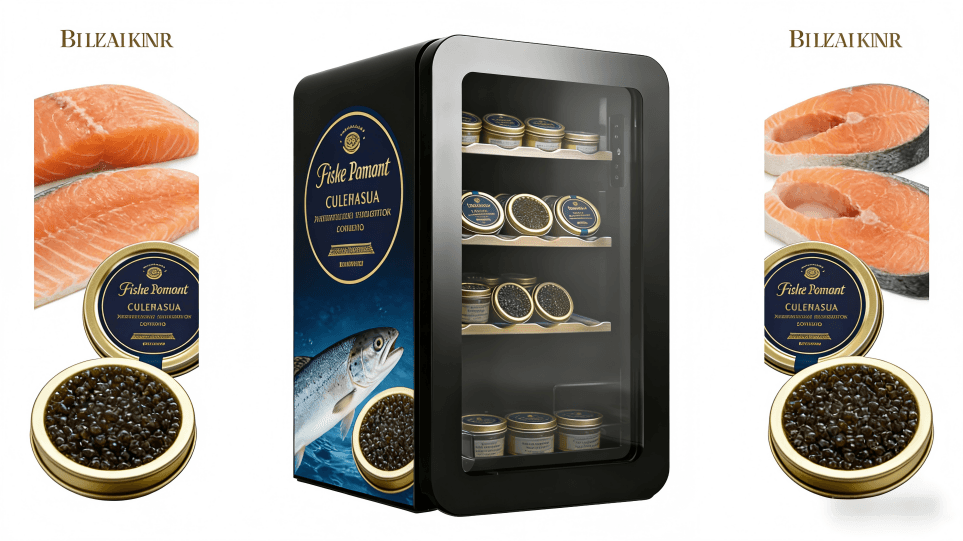
How Can a Caviar Fridge Make Your Caviar Stand Out for More Sales?
Selling luxury caviar is hard. A regular fridge hides its value and can risk spoilage. A dedicated caviar fridge displays it beautifully, boosting its appeal and your sales.
A specialized caviar fridge boosts sales by using precise temperature control to preserve flavor and texture. Its elegant design and lighting highlight the caviar's luxury, attracting discerning customers and encouraging impulse purchases in high-end settings like bars, restaurants, and premium retail stores.

When I was first building my refrigerator business, I learned a valuable lesson: presentation is just as important as preservation. It's especially true for high-end products like caviar. You can have the best caviar in the world, but if it's hidden in a standard kitchen fridge, it loses its magic. One of my clients, a manager at a luxury hotel, found that simply moving his caviar to a dedicated, elegant display fridge doubled his sales. It all starts with answering the questions every premium food vendor has. Let's break down the most common ones.
Do You Need to Refrigerate Caviar?
Worried about your expensive caviar spoiling quickly? Leaving it out, even for a short time, can ruin its delicate taste. Proper refrigeration is the only way to protect your investment.
Yes, you absolutely must refrigerate caviar because it is highly perishable. Storing it at the correct, consistently cold temperature is crucial to maintain its freshness, flavor, and delicate texture. Never leave caviar at room temperature for extended periods.
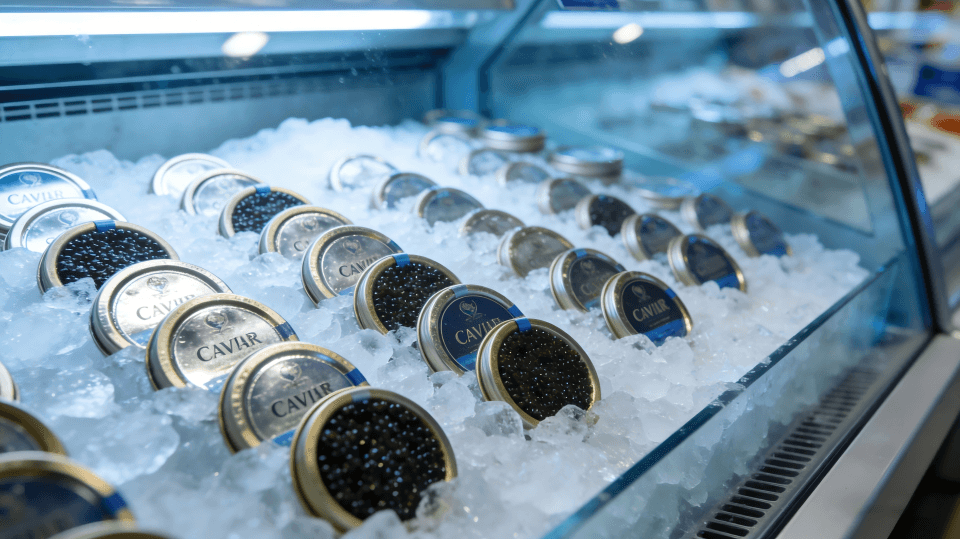
The need for refrigeration is not just a suggestion; it's a rule. I remember a call from a frantic restaurant owner who lost a large shipment of beluga caviar. His commercial fridge malfunctioned overnight, and the temperature rose by just a few degrees. By morning, his entire stock was ruined. It was a costly lesson in the science of preservation.
The Science Behind Caviar Spoilage
Caviar is essentially fish roe, or eggs, that are lightly cured in salt. These eggs are full of fats and proteins. When the temperature rises, two things happen. First, harmful bacteria begin to multiply rapidly. Second, enzymes within the eggs themselves start to break down the delicate egg walls and fats. This process, called autolysis, is what turns firm, distinct pearls into a mushy, unpleasant paste. The cold temperature of a refrigerator dramatically slows down both bacterial growth and these enzymatic reactions.
What Happens if You Don't Refrigerate It?
Forgetting to refrigerate caviar, even for a few hours, has serious consequences for a business owner like you, Alex.
- Texture Loss: The eggs will become soft and oily.
- Flavor Degradation: It will develop a strong, "fishy" taste instead of its subtle, nutty flavor.
- Financial Loss: The product becomes unsellable, a complete waste of a significant investment.
- Health Risk: It can cause foodborne illness.
Proper refrigeration isn't just about storage; it's about protecting your product, your reputation, and your bottom line.
Should Caviar Be Served Cold or at Room Temperature?
You've stored your caviar perfectly. But how do you serve it? Serving it too cold or too warm can completely ruin the customer's experience and waste your expensive product.
Caviar should be stored cold, but it is best served slightly above freezing, not at room temperature. Let it sit out for only 10 to 15 minutes before serving. This slight warming allows the full, complex flavors and aroma to emerge without compromising its firm texture.
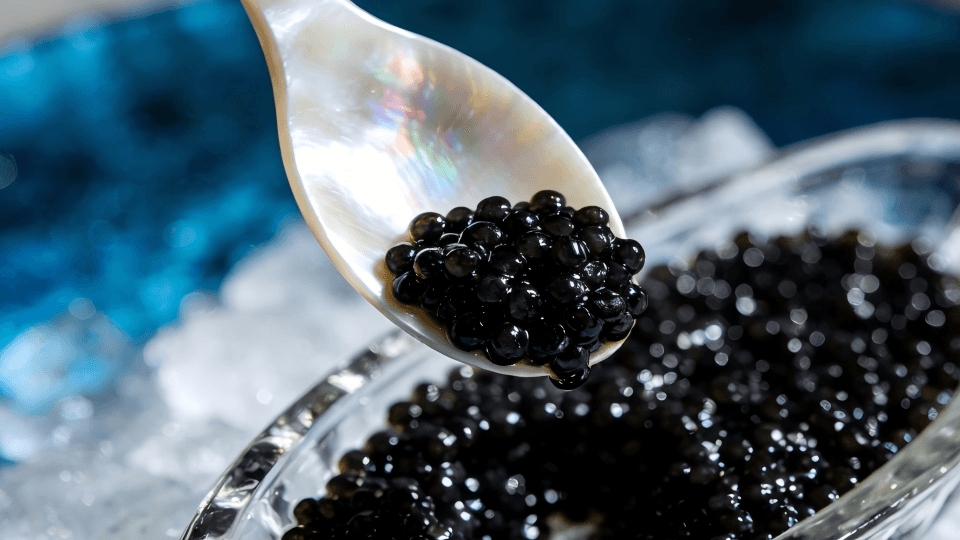
There is a fine art to serving caviar, and temperature is the most important brushstroke. Many people confuse the ideal storage temperature with the ideal serving temperature. They are not the same. Storing caviar near freezing keeps it preserved. But serving it at that temperature mutes its delicate and complex flavors. The fats in the eggs are too firm, and the subtle aromas are trapped. On the other hand, letting it get to room temperature makes it too soft and can cause the fats to separate, creating an oily feel.
Storage Temperature vs. Serving Temperature
Think of it like serving a fine wine. You wouldn't serve a great red wine straight from a cold cellar; you let it breathe and warm up slightly. Caviar is similar. The goal is to find the sweet spot where the texture is perfect and the flavor is fully expressed.
| Condition | Ideal Temperature Range | Purpose |
|---|---|---|
| Storage | -2°C to +2°C / 28°F to 36°F | To preserve freshness and prevent spoilage |
| Serving | 7°C to 10°C / 45°F to 50°F | To release the full flavor and aroma |
The 10-Minute Rule
The best practice is to take the caviar tin out of the refrigerator about 10 to 15 minutes before you plan to open and serve it. Leave the tin sealed during this time. This allows it to warm up just enough to unlock its flavor profile without risking its structural integrity. This small step makes a huge difference in the customer's experience, turning a good product into an unforgettable one.
What Is the Best Way to Store Caviar?
Owning premium caviar is an investment. But improper storage can quickly turn it worthless. You need a reliable method to protect its quality and your money from going down the drain.
The best way to store caviar is in its original, unopened tin in the coldest part of your refrigerator, ideally between -2°C and +2°C (28°F to 36°F). For best results, place the tin on a bed of ice. A dedicated caviar fridge is the ultimate solution for consistency.
During my years in the refrigerator manufacturing business, I saw how much temperature can fluctuate inside a standard unit. Every time someone opens the door, warm air rushes in. The compressor then has to work hard to cool it down again. These cycles are terrible for sensitive products like caviar. The key to perfect storage is consistency.
Why the Original Tin Matters
Always store caviar in its original, sealed container. When the caviar is packed, producers remove as much air as possible to prevent oxidation. Opening it and moving it to another container introduces air and potential contaminants, which will rapidly degrade the product. Once you open a tin, the clock starts ticking. You should plan to consume it within two to three days.
Achieving Consistent Cold
A standard home or commercial refrigerator is not built for the precision caviar requires. The best place is usually the back of the lowest shelf, which is typically the coldest spot. However, a much better solution is a dedicated caviar fridge. These units are designed to maintain a stable, ultra-low temperature without the fluctuations of a multi-purpose fridge.
| Method | Temperature Stability | Ease of Use | Ideal For |
|---|---|---|---|
| Standard Fridge | Poor (frequent opens) | Easy, but requires careful placement | Very short-term, non-professional |
| Fridge with Ice | Better (ice serves as a buffer) | Requires daily maintenance (replacing ice) | A good temporary fix |
| Caviar Fridge | Excellent | Set it and forget it | Professionals & business owners |
For a business like yours, where you aim to be number one, a dedicated caviar fridge isn't a luxury. It's a professional tool that guarantees quality and shows your customers you are serious about excellence.
How Long Is Caviar Good For When It's Sealed?
You have a sealed tin of caviar, and you're wondering if it's still good. The fear of serving a spoiled, expensive product makes many business owners hesitant, leading to waste and lost money.
An unopened, sealed tin of pasteurized caviar can last for several months under ideal refrigeration. However, high-quality, unpasteurized (malossol) caviar typically lasts for about four to six weeks. Always check the expiration date on the tin, as this is your most reliable guide.
The shelf life of your caviar depends almost entirely on one factor: whether it has been pasteurized. This single detail changes everything about its durability. I've helped clients adjust their inventory management based on this knowledge, and it dramatically reduced their spoilage waste.
Pasteurization: The Key Difference
Understanding this distinction is crucial for managing your stock effectively.
- Unpasteurized (Malossol) Caviar: The term "malossol" is Russian for "little salt." This is the highest grade of caviar. It's prized for its fresh, delicate flavor. Because it's only lightly preserved with salt and not heat-treated, it has a much shorter shelf life, typically 4-6 weeks when properly refrigerated. This is the product that requires a dedicated caviar fridge to protect its quality.
- Pasteurized Caviar: This caviar is heat-treated. This process gives it a very long shelf life, often many months, and allows it to be stored at slightly less precise temperatures. However, the heat firms up the eggs and can alter the subtle flavors. It's a more stable product but is generally not considered as high-end as malossol caviar.
Reading the Label and Managing Inventory
Always, always check the "Best By" or expiration date printed on the tin. This is the manufacturer's guarantee of quality. For your business, I recommend a "first-in, first-out" inventory system. When you receive a new shipment, place it behind your existing stock. Since you are aiming for the top of the food market, applying the same quality-first principle to a niche luxury product like caviar will build trust with your customers. Once a tin is opened, its shelf life drops to just 2-3 days, so plan your sales and servings accordingly.
Conclusion
Proper storage is not just about preservation; it's about presentation. A dedicated caviar fridge protects your investment, elevates your brand, and drives sales by showcasing luxury and quality.