
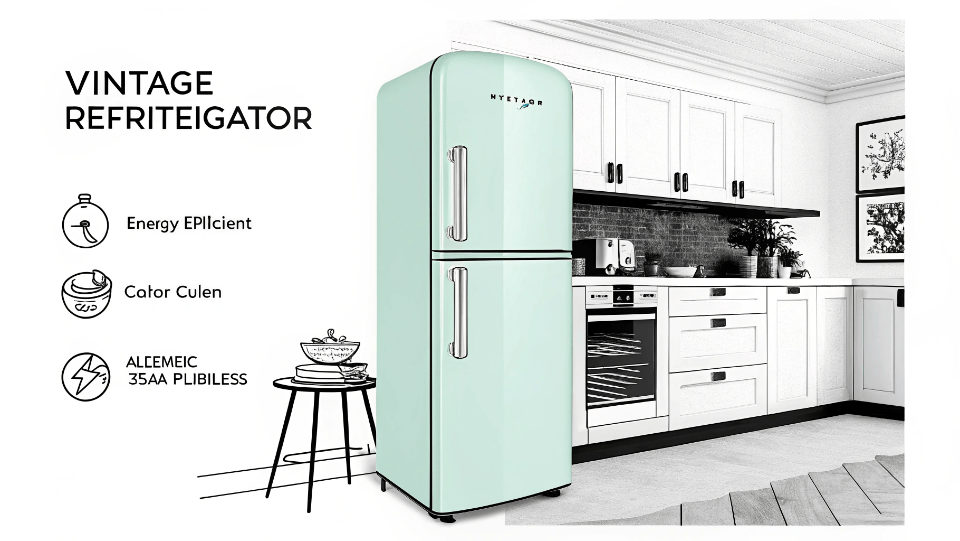
Struggling to find vintage refrigerators that fly off the shelves? Worried about quality and style? You're missing out on a booming market by not having the right products.
The best vintage refrigerators for retail blend iconic 1950s aesthetics—like curved edges and chrome hardware—with modern essentials like energy efficiency and reliable cooling. Prioritizing unique colors and customizable features from an OEM partner is key to creating a best-selling product line for your brand.
Getting this mix right can feel tricky. From my start on a factory floor to building my own refrigerator company, I've learned exactly what separates a best-selling model from one that just sits in the warehouse. For brand owners like you, it's not just about selling a fridge; it's about selling a feeling. Let's break down the exact features that will make your vintage refrigerators a hit with customers and help you dominate the market.
What Design Elements Define a Best-Selling Vintage Refrigerator?
Are your designs feeling a bit generic? Afraid customers won't see the "wow" factor? A bland product line means missed sales and a weaker brand identity for your business.
A top-selling vintage refrigerator is defined by its rounded silhouette, vibrant retro colors (like mint green or pastel blue), and distinctive chrome-plated handles. These key elements instantly trigger nostalgia and emotional connection, making the appliance a statement piece that customers actively seek out.
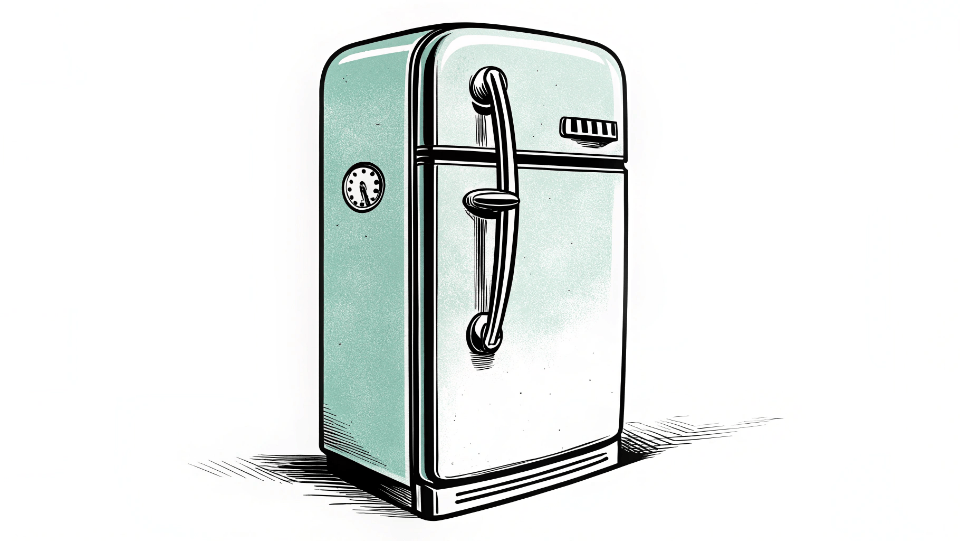
When I was running my factory, we learned that customers buy vintage refrigerators with their eyes first. The visual appeal is everything. Your goal is to create a product that doesn't just cool food but also serves as a centerpiece in a kitchen.
The Power of Color and Finish
The color palette is your first and most powerful tool. While classic cream and black are safe, the real winners in the retro space are the bold, nostalgic colors. Think mint green, sky blue, candy apple red, or even buttercup yellow. A high-gloss finish is essential to complete the look, as it mimics the enamel of original 1950s appliances. Offering a unique color can make your brand the go-to choice for customers looking for something special.
Hardware That Makes a Difference
The handle is like a handshake—it’s a critical first impression. Flimsy, plastic handles will instantly make your product feel cheap. You must invest in sturdy, chrome-plated metal handles. They should have a substantial, heavy feel. The shape matters too; long, grooved, vertically oriented handles are a classic look that screams authenticity. It's a detail worth discussing in depth with your OEM supplier because it communicates quality instantly.
| Design Element | Key to Success | Why It Matters |
|---|---|---|
| Shape | Curved edges, rounded corners | Mimics classic 1950s automotive and appliance design. Softer and more inviting. |
| Color | Pastel/Bold (Mint, Red, Blue) | Triggers nostalgia and creates a strong visual statement. It’s a major differentiator. |
| Hardware | Heavy, chrome-plated metal | Provides a premium feel and communicates durability and authenticity. |
| Branding | Classic, metallic script logo | A retro-style badge completes the look and builds brand recall. |
How Do You Combine Retro Looks with Modern Functionality Customers Expect?
Do customers complain about your retro fridges lacking modern features? Worried about poor energy ratings? An outdated interior can kill a sale, no matter how good the fridge looks.
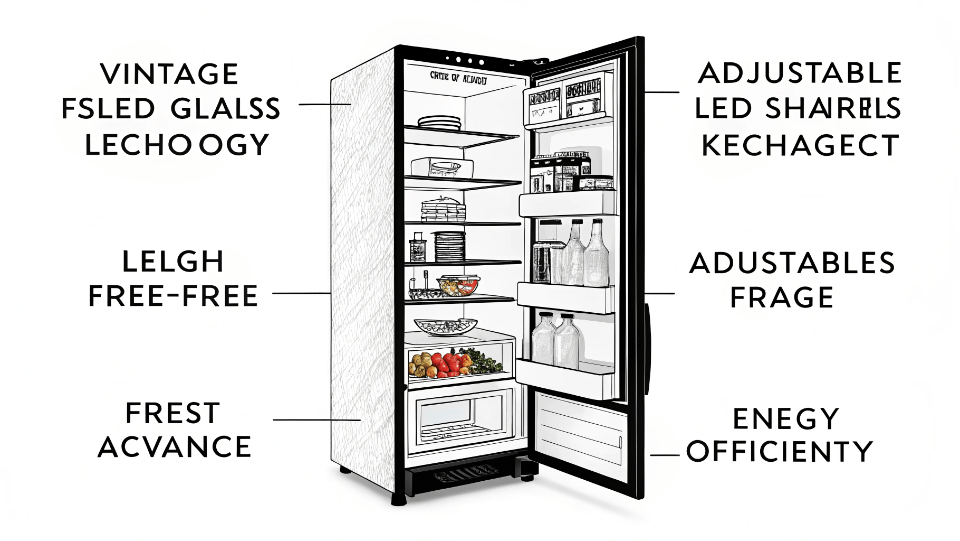
Balance style and function by ensuring your vintage refrigerators include modern must-haves. This means offering frost-free technology, or higher energy rating, adjustable glass shelves, and bright LED lighting. These features provide the convenience and savings today's customers demand.
I can't tell you how many times I've seen beautiful products fail because they didn't meet basic modern expectations. A customer might fall in love with the look, but they won't tolerate the hassle of manual defrosting or high electricity bills. Functionality is what keeps them happy long after the purchase and leads to good reviews.
Energy Efficiency: A Modern Selling Point
In today's market, energy consumption is a huge factor for buyers. Nobody wants a beautiful fridge that doubles their electricity bill. When you work with your supplier, you must specify a high energy efficiency rating—C (or its equivalent in your market) should be the minimum standard. This is not just good for the environment; it’s a powerful marketing tool. You can advertise lower running costs, which is a practical benefit that justifies the premium price of a stylish appliance.
Interior Convenience is Non-Negotiable
The inside of the fridge has to be as well-thought-out as the outside. Gone are the days of wire racks and dim yellow bulbs. Your customers expect:
- Frost-Free Operation: This is the absolute number one feature. Almost nobody will buy a fridge they have to defrost by hand anymore.
- Adjustable Glass Shelves: They look cleaner, are easier to clean than wire racks, and allow customers to customize the space.
- Bright LED Lighting: It illuminates the entire fridge, uses less energy, and feels much more modern.
- A Functional Crisper Drawer: A crisper with humidity control keeps fruits and vegetables fresh longer—a simple feature that adds a lot of value.
These are standard in most modern refrigerators, and your vintage line should be no exception.
What Sizes and Configurations Should You Offer in Your Vintage Refrigerator Line?
Confused about which fridge sizes to stock? Afraid of ordering models that won't sell? Choosing the wrong inventory can tie up your capital and waste precious warehouse space.
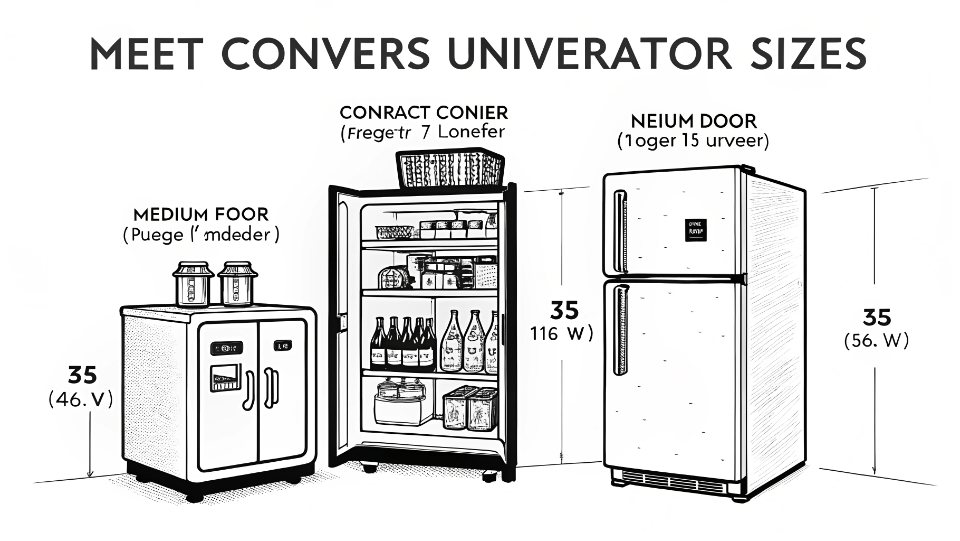
Offer a focused range of sizes to meet different customer needs. A compact under-counter model, a medium single-door fridge, and a larger fridge-freezer combination will cover most of the market. This strategy maximizes your appeal without overcomplicating your inventory.
When I started my business, one of my biggest lessons was in inventory management. It’s better to sell out of a few popular models than to be stuck with many slow-moving ones. Starting with a curated selection is the smartest move. You can always expand later based on sales data.
The Compact and Niche Models
There's a strong market for smaller retro refrigerators. A compact, under-counter model (around 90 to 120 liters) is perfect for home bars, offices, or as a secondary "drinks fridge." It's an impulse buy for some and a design-led choice for others. These models often have a higher margin and appeal to a wide range of customers, from students in dorms to high-income homeowners wanting a stylish accent piece.
The All-Rounder for Mainstream Appeal
Your core product should be a medium-sized, single-door refrigerator with a small internal freezer box. A capacity between 200 and 280 liters is the sweet spot. This size is ideal for singles, couples, or small families living in apartments. It has the classic vintage look and provides enough space for weekly groceries. This will likely be your volume seller, the foundation of your retro appliance line.
| Model Type | Typical Capacity | Target Market & Use Case |
|---|---|---|
| Under-Counter | 90 - 120 Liters | Home bars, offices, dorm rooms, drinks fridge. High-margin accent piece. |
| Medium Single-Door | 200 - 280 Liters | Apartments, couples, small families. Your likely best-seller and core product. |
| Large Combi | 300+ Liters | Families, larger kitchens. For customers who need freezer space but still want retro style. |
Why is Sourcing from a Chinese OEM Factory the Smartest Strategy for Your Brand?
Are high production costs eating into your profits? Worried you can't compete with larger brands? Building your own factory is impossible, and local manufacturing is too expensive.
Sourcing from a Chinese OEM factory gives your brand a massive competitive edge. You get access to mature supply chains, lower production costs, and extensive customization options without the massive investment of owning a factory. This allows you to create a unique, high-quality product at a competitive price.
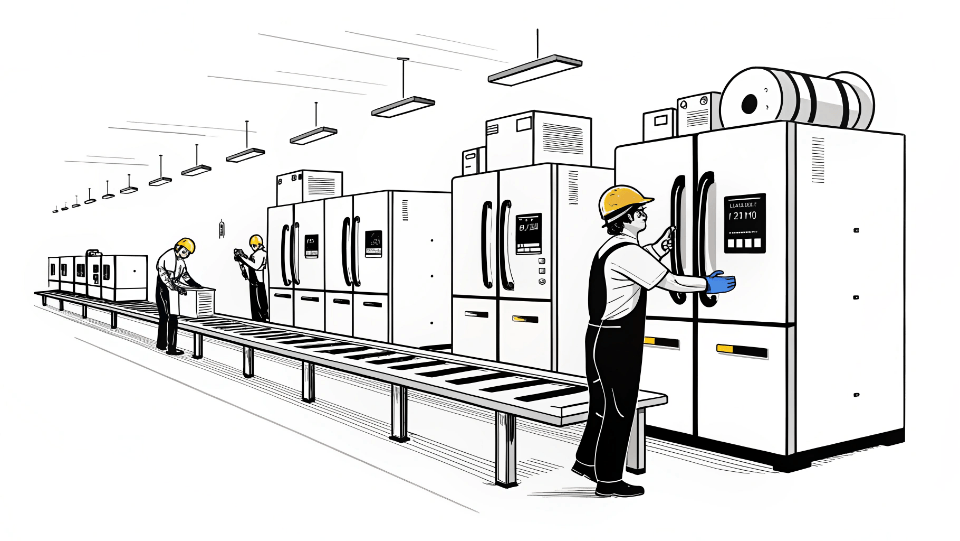
I've been on both sides of this equation. I started in a factory, and then I built my own. I can tell you firsthand that the expertise and infrastructure for appliance manufacturing in China are world-class. For a brand owner like you, leveraging this system is the only way to compete and grow rapidly. It allows you to focus on what you do best: marketing and building your brand.
Leveraging Cost and Experience
The main reason to work with a Chinese OEM is cost-efficiency. The established supply chains for components—from compressors to chrome handles—mean you can produce appliances at a fraction of the cost of manufacturing elsewhere. But it's not just about being cheap. These factories have been making refrigerators for decades for global brands. They have the experience, the skilled labor, and the quality control processes already in place. You are tapping into a system that is already optimized for quality and scale.
The Power of Customization (OEM)
Working with an Original Equipment Manufacturer (OEM) means you aren't just buying an off-the-shelf product. You have control over the final design. You can specify the exact color, the type of handle, the shelf layout, and even have your own branded logo applied. This is how you create a product that is unique to your brand. A good OEM partner will work with you as a collaborator, helping you fine-tune the design to meet your market's needs while ensuring it meets all technical and safety standards. This partnership is the key to building a distinct and successful product line.
Conclusion
Building a top vintage refrigerator brand is about blending iconic design with modern needs. Focus on style, function, the right sizes, and a strong OEM partner to succeed. Please contact us at McCool. You can reach us directly. Click here to contact via WhatsApp