
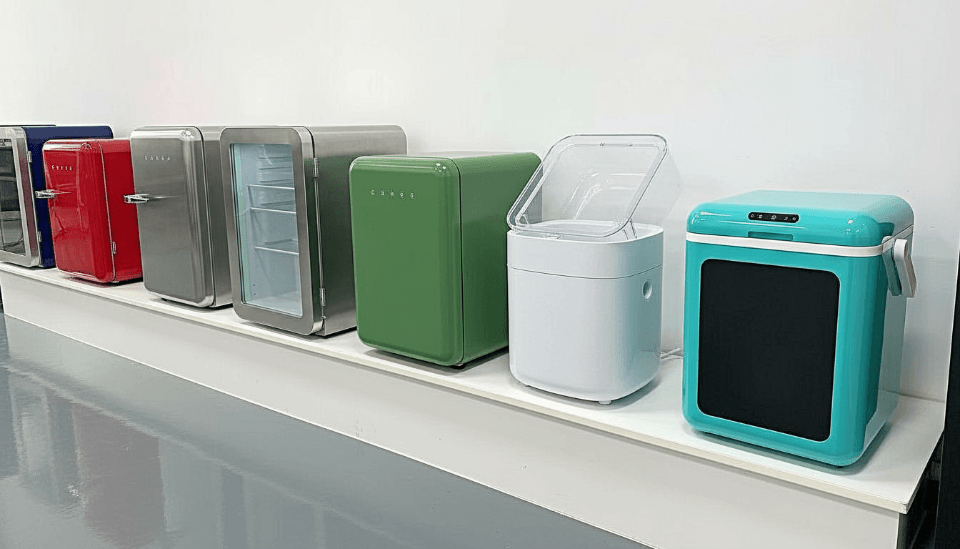
Struggling to pick the right fridge for your brand? The choice feels huge, but a wrong decision can sink your profits and eat up your inventory space. Let's find your best fit.
For most online businesses, mini fridges offer better profit margins, lower shipping costs per container, and appeal to a wider audience as impulse buys. Full-size fridges establish brand authority but involve higher investment and complex logistics. The best choice depends on your specific business goals and target market.
Choosing the right product is one of the biggest decisions you'll make as a business owner. I’ve seen many clients in your position, trying to balance brand vision with practical business needs. It's not just about the product; it's about the entire system behind it, from sourcing to selling. Making the right choice here sets the foundation for your growth. Let's break down the key areas you need to consider so you can move forward with confidence and build that number-one retro brand.
How Do Costs Differ When Sourcing from China?
You're trying to manage your budget, but factory quotes are confusing. Ordering the wrong product could mean tying up all your capital in slow-moving stock, hurting your cash flow.
The main difference is volume. Mini fridges have a lower unit cost and you can fit many more into a single shipping container. This drastically reduces the per-unit shipping fee from China, giving you a better landed cost and higher potential profit margin on each sale.
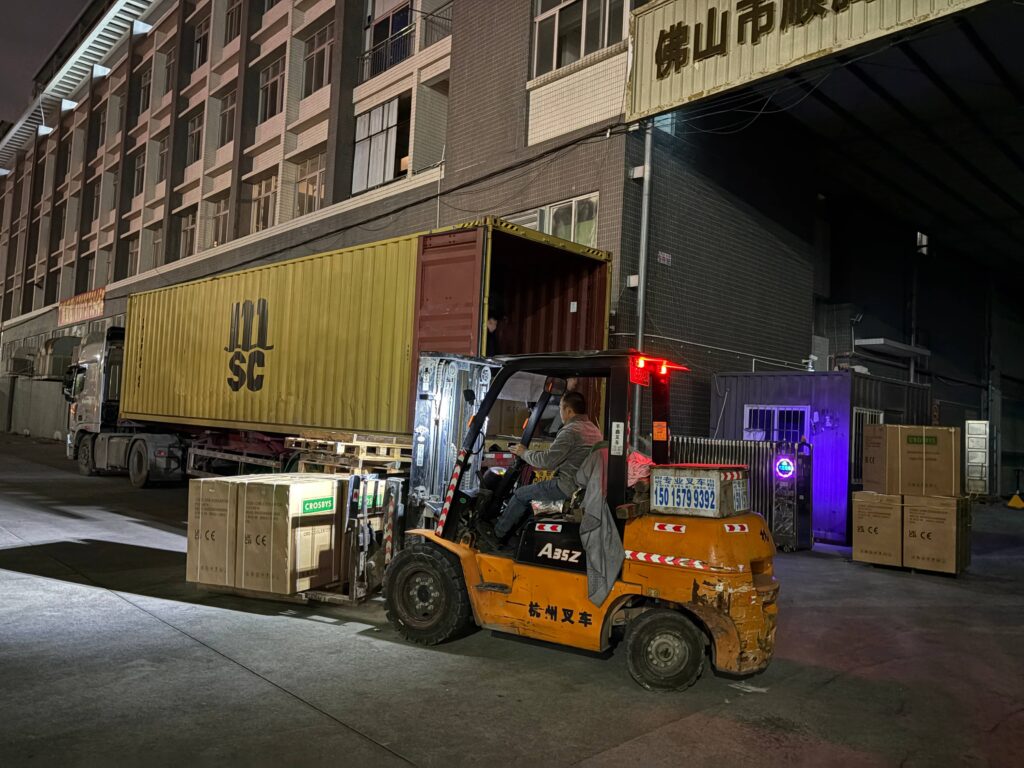
When I run the numbers for my clients, the difference is always surprising. It’s not just about the factory price (ex-works price). You have to think about the entire cost until it's in your warehouse. Let's break this down from a manufacturer's point of view.
Unit Cost vs. Landed Cost
The factory price for a mini fridge is obviously lower than a full-size one. But the real game-changer is the landed cost. This includes the unit price, shipping, insurance, and import duties. Because you can load so many more mini fridges into a 40-foot container (sometimes 300-400 units) compared to full-size fridges (maybe 80-100 units), your per-unit shipping cost plummets. This is a huge advantage for an online business focused on moving volume and maximizing margins.
Minimum Order Quantity (MOQ)
Factories, including mine, have MOQs to make a production run profitable. The MOQ for full-size fridges often means a larger total investment per order. For a growing business like yours, ordering a container of mini fridges ties up less capital and allows you to test more designs or colors.
Here is a simple table to illustrate the cost thinking:
| Cost Factor | Mini Fridge (Retro Style) | Full-Size Fridge (Retro Style) |
|---|---|---|
| Estimated Unit Price (FOB) | $80 - $150 | $300 - $600 |
| Units per 40' Container | ~350 | ~90 |
| Estimated Shipping per Unit | $20 - $30 | $80 - $120 |
| Total Capital for One Container | Lower | Significantly Higher |
This shows that for the same shipping space, you handle more products and have a lower cost barrier with mini fridges.
Which Fridge Size is Better for an Online-First Brand?
You want to be the top retro fridge brand, but what product will get you there faster? Your marketing budget is limited, and you need products that influencers and customers will love to share online.
Mini fridges are perfect for online brands. Their smaller size and fun colors make them highly 'Instagrammable' and ideal for influencer marketing. They appeal to a broad audience, from students to office workers, as an affordable, stylish impulse buy that doesn't require a huge commitment.
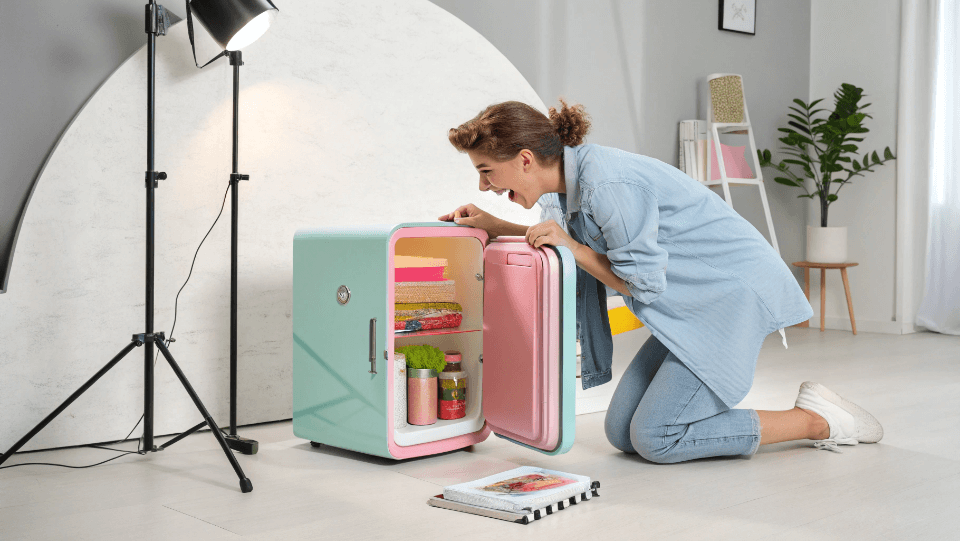
I remember working with a client who specialized in quirky home goods. They were hesitant to get into appliances. I suggested they start with a line of pastel-colored retro mini fridges. They sent them to a few home decor influencers, and the response was immediate. The fridges weren't just appliances; they were decor pieces. This is the key for an online brand.
The Power of an Impulse Buy
A customer might spend weeks deciding on a full-size kitchen refrigerator. It's a major purchase. But a mini fridge for their home office, garage, or dorm room? That can be an impulse buy. For an e-commerce store, a lower price point and the "I need that" factor lead to higher conversion rates. You can position them as the perfect gift or a fun personal upgrade, which is a much easier sell online.
Targeting Your Audience
Your brand sells retro style. Let's think about who buys that.
- Mini Fridge Customer: Could be anyone. A student for their dorm, a professional for their office, a family for their game room, or someone who loves the aesthetic for their bedroom. The audience is wide.
- Full-Size Fridge Customer: Primarily homeowners or renters in long-term situations. They need a primary appliance and are making a functional decision first, and a style decision second. The audience is narrower.
For an online brand aiming for rapid growth, a wider audience is a gift. You have more people to market to and more opportunities for a sale. A full-size fridge builds brand credibility, but a mini fridge builds brand awareness and cash flow quickly.
What Are the Logistics and Warehousing Implications?
You have a 2,000-square-meter warehouse, but that space is money. You need to store products efficiently and manage deliveries without hassle. A complex product could create logistical nightmares.
Mini fridges are much simpler logistically. They are easier to transport from the port, take up less warehouse space per unit, and are cheaper and easier for last-mile delivery to the customer. A full-size fridge requires specialized handling and delivery teams, adding cost and complexity.
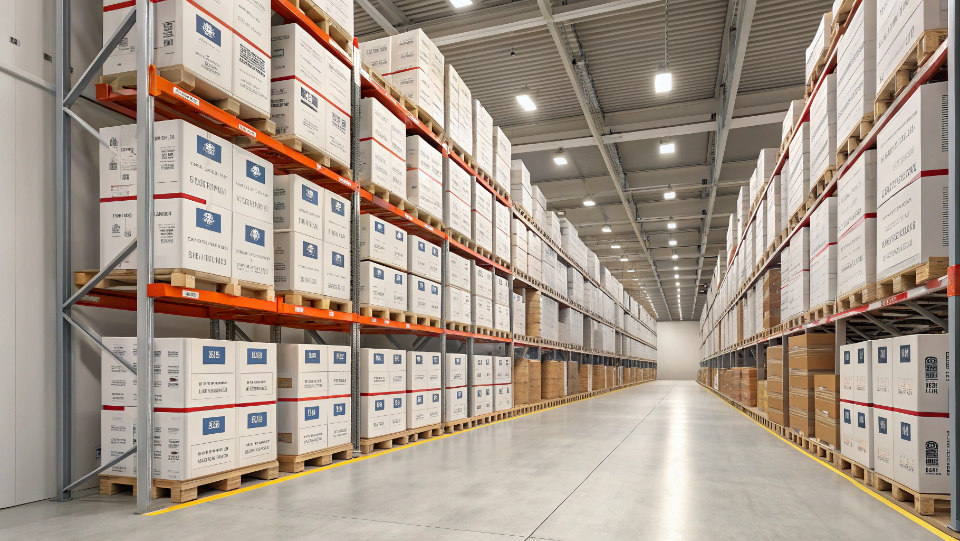
In my years in the factory business, I’ve seen clients underestimate logistics more than anything else. A product isn't sold until it's safely in the customer's home. The journey there can destroy your profit margin if you're not careful. Think about your 2,000 sqm space. You want to maximize the value stored in every single meter.
Warehouse Efficiency
You can stack boxes of mini fridges higher and more densely than full-size ones. They are lighter and can often be handled by one person with a pallet jack. This means you can store more units—and more potential revenue—in your existing warehouse. Full-size fridges are bulky, heavy, and often can't be stacked, meaning they consume a massive amount of floor space for the same number of units. This efficiency directly impacts your overhead costs.
Last-Mile Delivery
This is a critical point for an online business.
| Delivery Aspect | Mini Fridge | Full-Size Fridge |
|---|---|---|
| Vehicle Needed | Standard delivery van | Large truck, maybe with a liftgate |
| Personnel | Usually 1 person | 2-person team required |
| Customer Experience | Can be left at the door | Requires scheduled appointment, installation |
| Return Process | Simpler, customer can often re-box | Complex and expensive |
The ease of delivering a mini fridge means happier customers and lower shipping costs for you. You can often offer free or cheap shipping, which is a huge conversion driver online. The complexity of shipping a full-size fridge adds a barrier to purchase that doesn’t exist with a smaller appliance.
Which Fridge Aligns Best with a Niche Retro Brand Strategy?
Your goal is to be number one in retro refrigerators. Should you establish dominance with the iconic full-size model, or build a broader base with accessible mini fridges?
Both can work, but for building a brand from the ground up, mini fridges offer a faster path to brand recognition and market penetration. They allow you to introduce your unique retro aesthetic to a wide audience without asking for a major financial commitment, building a loyal following.
I watched one of my best clients build their entire brand this way. They started with just two models of retro mini fridges in five different colors. They focused all their marketing on the design and lifestyle aspect. People bought them for their style first and function second. After two years of building a strong brand identity and customer base with mini fridges, they introduced a full-size model. By then, customers already knew and trusted their brand. The full-size fridge was an instant success because the groundwork was already laid.
Building an Ecosystem
Think of your product line as an ecosystem.
- Entry Point: The retro mini fridge. It's your customer's first purchase. They fall in love with the quality and style. Your other products, like kettles and coffee makers, become easy add-on sales.
- The Upsell: The full-size retro fridge. Once a customer trusts your brand, and they're in the market for a main kitchen appliance, you are their first choice. They want the full-size fridge that matches the mini fridge they already love.
Starting with the full-size model is much harder. You're asking for a huge amount of trust and money from a customer who may not know you. By starting small, you build trust and can expand your product line as your brand grows. This strategy reduces risk and builds a more sustainable business for the long term.
Conclusion
Ultimately, choosing between a mini and full-size fridge depends on your capital, logistics, and brand strategy. Carefully consider these points to make the best decision for your business's future growth.