
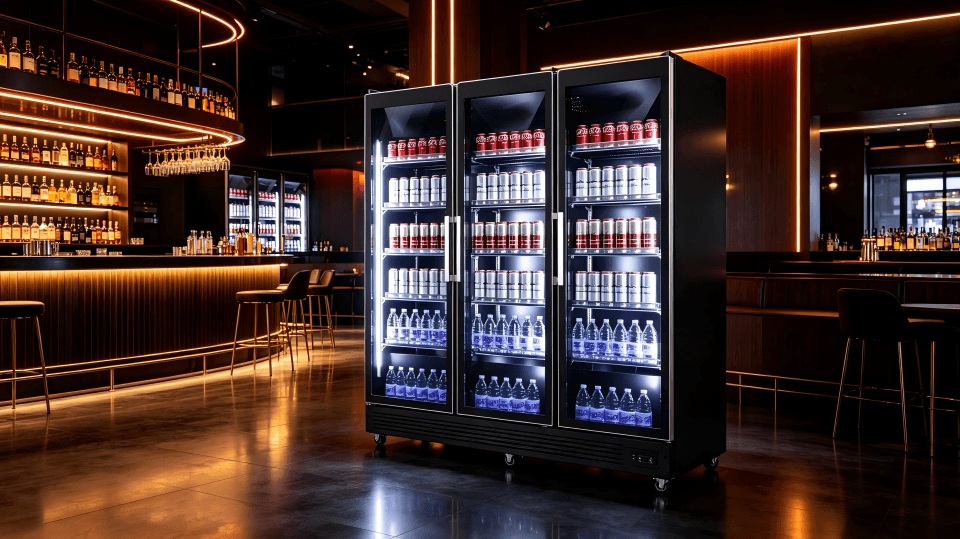
Running a busy bar is tough. Warm drinks lead to unhappy customers and lost profits. Let’s find the perfect fridge to keep your service smooth and your drinks ice-cold.
The ideal fridge for a bar or nightclub is a back bar cooler. It needs strong cooling, glass doors for display, adjustable shelves for different bottles, and durable construction for a busy environment. These features ensure drinks are always cold and accessible for quick service.
Choosing the right unit is more than just picking one that looks good. It's about performance, capacity, and efficiency. I've spent years in the refrigeration industry, from working on the factory floor to running my own. I have seen many business owners make costly mistakes by choosing the wrong equipment. Let's break down exactly what you need to look for to ensure you make the right investment for your business.
How do you choose the right beer fridge for your bar or restaurant?
Your craft beer menu is impressive, but your fridge isn't keeping them cold enough. Serving warm beer is a quick way to lose customers. Let's look at fridges designed for performance.
To choose the right beer fridge, focus on temperature consistency, especially with dynamic cooling fans. Consider capacity based on your sales volume. Glass doors help with inventory management, and sturdy, adjustable shelves are a must for holding various bottle sizes and weights securely.
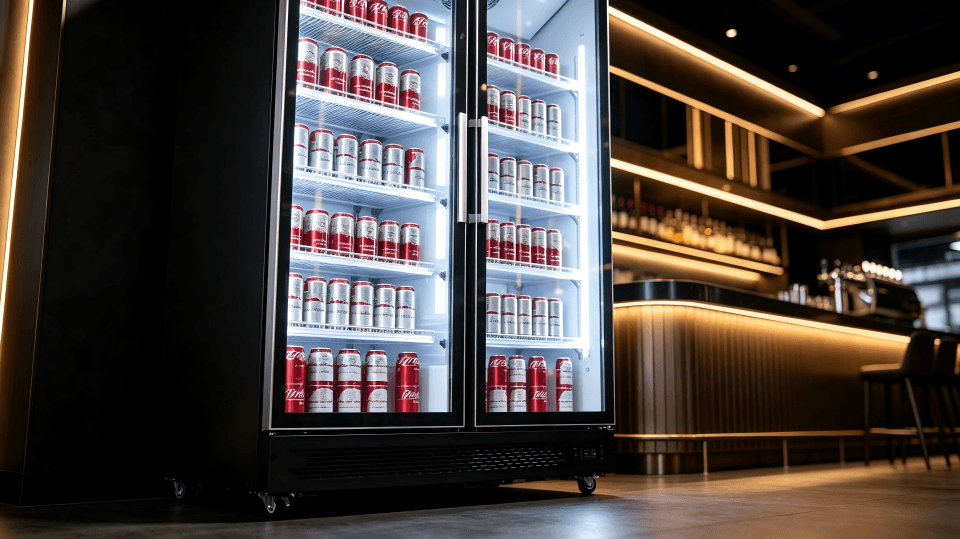
When you are selecting a beer fridge, you need to think like an engineer, not just a bar owner. The details matter, and getting them right will save you a lot of headaches. I remember a client who bought a cheap unit, only to find it couldn't keep drinks cold on a busy Saturday night. His bartenders were apologizing all night.
Temperature is King
The most important job of a beer fridge is to keep the beer cold. Look for a unit with a powerful compressor and a dynamic cooling system. This means it has fans that circulate cold air evenly inside. This ensures every single bottle, from the front to the back, is perfectly chilled. Static cooling systems, which have no fans, often create warm spots.
Capacity Meets Demand
Think about your busiest night. How many beers do you sell? Your fridge must be able to hold enough stock to get you through that rush. Always choose a fridge with slightly more capacity than you think you need. This gives you room to grow and add new beers to your menu without needing to upgrade your equipment immediately.
Built to Last
A bar is a tough environment. The fridge door will be opened and closed hundreds of times a day.
| Feature | Standard Fridge | Commercial Beer Fridge |
|---|---|---|
| Cooling | Static or weak fan | Dynamic (strong fan-forced) |
| Recovery Time | Slow | Fast |
| Shelving | Light-duty plastic/glass | Heavy-duty chrome or steel |
| Construction | Plastic interior, thin metal | Stainless steel, reinforced frame |
This is why you need a fridge built from strong materials, like stainless steel, with reinforced, heavy-duty shelving. This ensures it will withstand the daily wear and tear of a commercial setting.
What makes the best beverage refrigerators for a commercial bar?
Need a fridge for your bar? A home unit seems cheaper but can't handle the traffic. Constant breakdowns during rush hour are a nightmare. Let's discuss what makes a commercial unit superior.
The best commercial beverage refrigerators have powerful compressors and fan-assisted cooling to recover temperature quickly after opening. They feature durable materials like stainless steel, energy-efficient double-paned glass doors, and robust shelving systems designed for heavy, frequent use in a business.
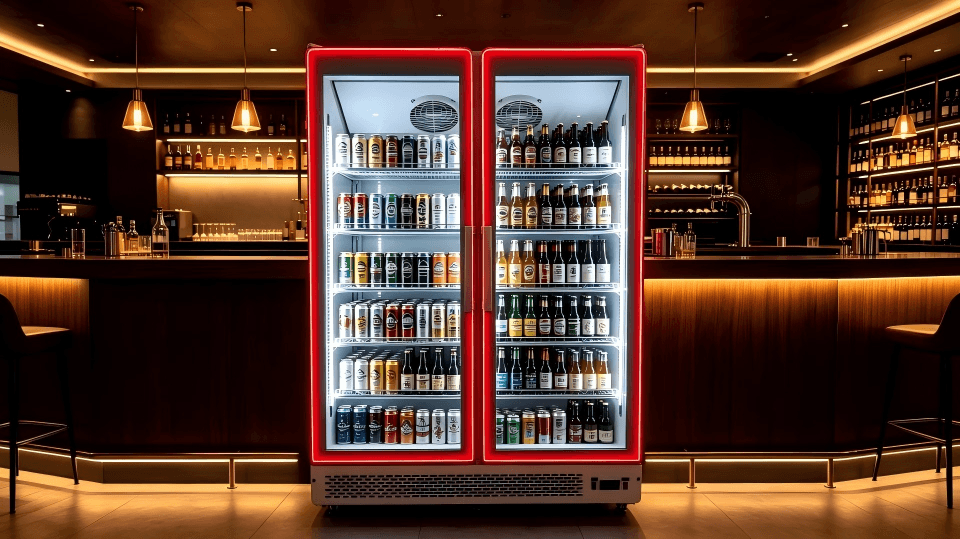
I once consulted for a small cafe owner. He had just started his business and wanted to save money. He bought a beautiful, high-end home beverage cooler for his bar. It looked great, but it was not designed for a business. The constant opening and closing overworked the small compressor. Within six months, it failed. He had to close for two days to get a proper commercial unit installed, losing more money than he initially saved. This story is a perfect example of why commercial-grade is non-negotiable.
The Cooling System Matters Most
A commercial refrigerator is all about temperature recovery. When your bartender opens the door, warm air rushes in. A home fridge's compressor is too small to cool the space back down quickly. A commercial unit uses a larger, more powerful compressor and strong fans to drop the temperature back to its set point in seconds. This ensures the last drink served in a rush is as cold as the first.
Durability for a Busy Environment
Look at the build quality. A commercial fridge often uses commercial-grade stainless steel, not just for looks but for strength and ease of cleaning. The doors are often self-closing, which saves energy and helps maintain temperature. The shelves are made of thick, coated metal wire to hold the weight of hundreds of bottles without bending. These are not features you find in a residential unit.
Efficiency and Operating Costs
You might think a powerful fridge uses a lot of electricity. But modern commercial units are designed for efficiency. They use better insulation, double or triple-paned glass doors, and energy-efficient LED lighting. While the initial purchase price is higher than a home unit, the lower energy bills and lack of repair costs make it a much cheaper and smarter investment over the long term.
What should you look for in a back bar fridge?
Your back bar area is valuable real estate. A bulky or inefficient fridge wastes space and slows down your bartenders. Let's find a unit that works hard and looks great doing it.
For a back bar fridge, prioritize dimensions for a seamless fit. Check for front-facing ventilation if it will be built-in under a counter. Also, consider features like sliding or hinged doors based on your space, interior LED lighting for display, and a lock for security.
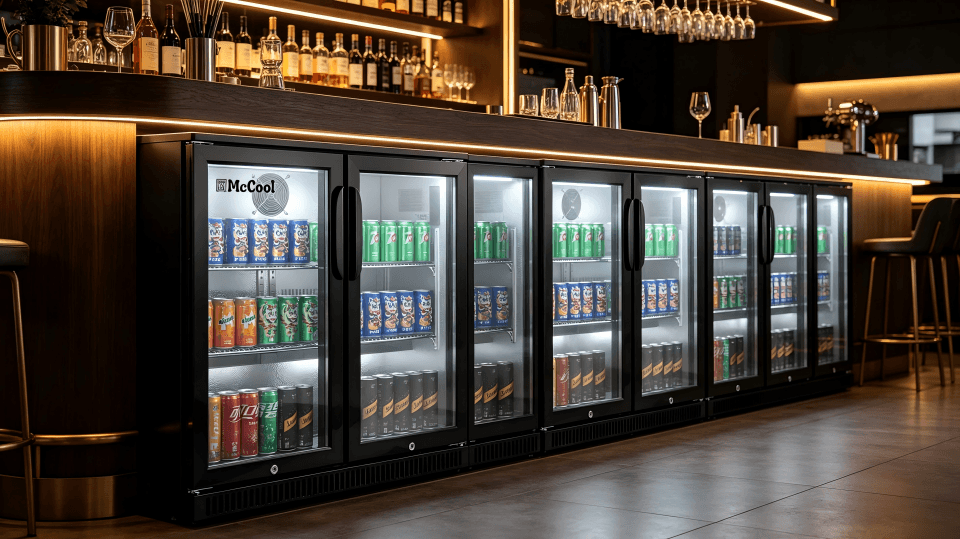
In my factory, we manufacture different types of back bar coolers. The number one mistake I see customers make is ignoring ventilation. A refrigerator is a heat exchange machine; it pulls heat out of the inside and has to release it on the outside. If you build a fridge into a cabinet without proper airflow, the heat gets trapped. The machine will overheat and eventually fail. This is why some models cost more—they have ventilation built into the front grille, allowing them to breathe in a tight space.
Size and Placement
Measure your space carefully: height, width, and depth. A back bar cooler should fit snugly under the counter for a clean, professional look. As I mentioned, if you are building it into a cabinet, you must choose a model with front-facing ventilation. Standard fridges that vent from the back or sides need several inches of empty space around them, which is not practical for most under-counter setups.
Door Type and Accessibility
The choice between hinged and sliding doors depends on your workspace.
- Hinged Doors: They open wide, offering full access to the contents. However, they can block the walkway in a narrow bar.
- Sliding Doors: These are excellent for tight spaces because they don't swing out. They are very efficient for a bartender who needs to grab-and-go.
Essential Features for Bar Staff
Good lighting and security are key. Bright, cool-running LED lights make it easy for staff to see products quickly, even in a dimly lit bar. This speeds up service. Also, most commercial units come with a built-in lock. This is important for securing expensive inventory overnight or when the bar is closed.
| Feature | Consideration | My Advice |
|---|---|---|
| Ventilation | Front-venting vs. Rear-venting | Must be front-venting for built-in installation. |
| Door Type | Hinged vs. Sliding | Sliding for tight spaces; Hinged for wider aisles. |
| Lighting | LED vs. Fluorescent | LED is brighter, more energy-efficient, and produces less heat. |
| Security | Lockable Doors | Essential for inventory control and security. |
Conclusion
Choosing the right bar fridge is simple. Focus on commercial-grade cooling, the right size, and features that support your staff. This investment will pay off with happy customers.