
Struggling to make your retro fridges stand out from the crowd? You worry that your products look too similar to competitors. You need a truly unique design to capture the market.
To design a custom vintage fridge, first define your brand's unique style by researching specific retro eras. Then, select a distinctive color palette and authentic hardware like chrome handles. This ensures your fridge tells a story and connects with your target audience.
I've spent my entire career in the kitchen appliance world, from working on the factory floor to building my own successful refrigerator factory. I've seen firsthand what it takes to create a product that people love and remember. It's not just about making a fridge; it's about creating an identity for your brand. A client of mine, Lura from Germany, wanted to become the number one seller of retro fridges in his region. He knew he couldn't do that with a generic product. We worked together to build his unique design from the ground up. Let me show you how you can do the same.
What makes a vintage fridge design truly unique?
Are your current designs getting lost in a sea of look-alikes? You worry that customers can't tell your brand apart from the next. Creating a truly iconic look is the key.
A unique design comes from focusing on a specific vintage era, not just general "retro" trends. Pay close attention to authentic silhouettes, distinctive hardware, and a brand story that connects with the design. This makes your product more than just an appliance.
When I first started helping clients with custom designs, many just said they wanted a "retro" look. That's too broad. The real magic happens when you get specific. A unique design is built on details that tell a consistent story. You need to decide which story your brand is telling. I always advise my clients to think like a movie director setting a scene. Is your brand fun and bubbly like the 1950s, or is it more sleek and bold like the 1970s?
Choosing Your Era
The first step is to pick a specific decade as your main inspiration. Each era had its own personality, and this will guide all your other design choices. For example, 1950s designs are known for their soft, rounded corners and pastel colors, inspired by classic American cars. The 1960s introduced bolder colors and slightly more geometric shapes. By the 1970s, earthy tones like avocado green and harvest gold became popular, along with more angular designs.
The Importance of Silhouette and Hardware
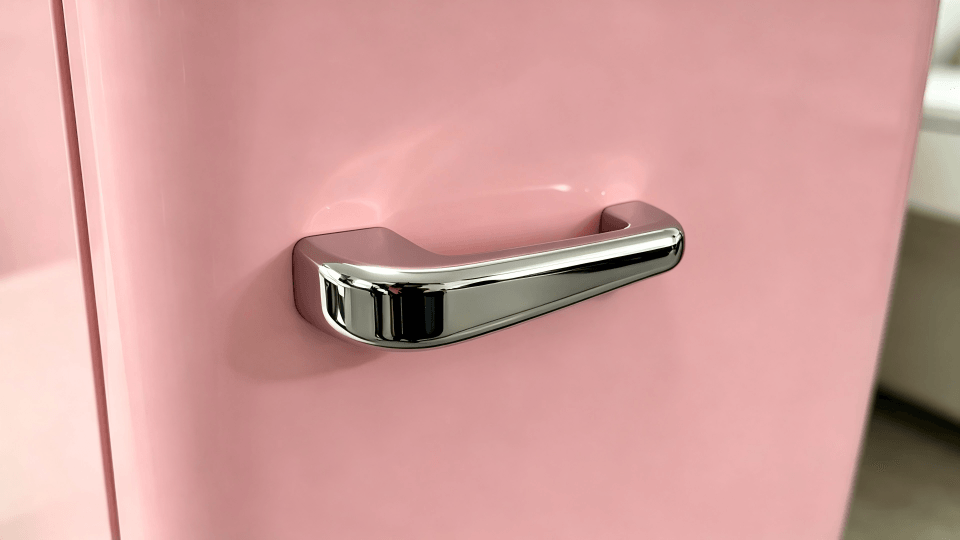
The overall shape, or silhouette, is critical. A single-door fridge with a small, integrated freezer box screams 1950s authenticity. A separate top-freezer model feels more 1960s or later. The hardware—handles, logos, and trim—is where you can really make your mark. A big, chunky, polished chrome handle is very different from a simple, recessed pull. Your brand logo can be a classic metal emblem or a stylized script printed on the door. These small details add up to create a product that feels special and intentional.
| Feature | 1950s Style | 1970s Style |
|---|---|---|
| Shape | Very rounded corners, curved top | More boxy, sharper edges |
| Colors | Pastel pink, mint green, baby blue | Avocado green, harvest gold, burnt orange |
| Handles | Large, polished chrome, latch-style | Sleek, often recessed or simple metal bars |
| Branding | Scripted metal emblems, very decorative | Bold, simple font, often printed directly |
How do you choose the right materials and colors?
Are you afraid of choosing a color that won't sell or a material that looks cheap? You invest a lot in inventory. Making the wrong aesthetic choice can be a costly mistake.
Choose your colors based on a mix of classic vintage shades and one or two modern trending tones to appeal to a wider audience. For materials, use real metal for hardware and a high-gloss, durable powder-coated finish on the steel body for an authentic, premium feel.
I remember a client who wanted to launch a line of red refrigerators. I asked him, "Which red?" There's a big difference between a bright, fire-engine red from the 50s and a deeper, wine-red from the 70s. The color and material choices are not just about looks; they communicate quality and authenticity. Customers who buy vintage-style products are often very discerning. They can spot a cheap plastic handle from a mile away. Your material choices must back up the promise of your design.
Building Your Color Palette
Your color palette is one of the most powerful tools you have. I recommend a two-part strategy.
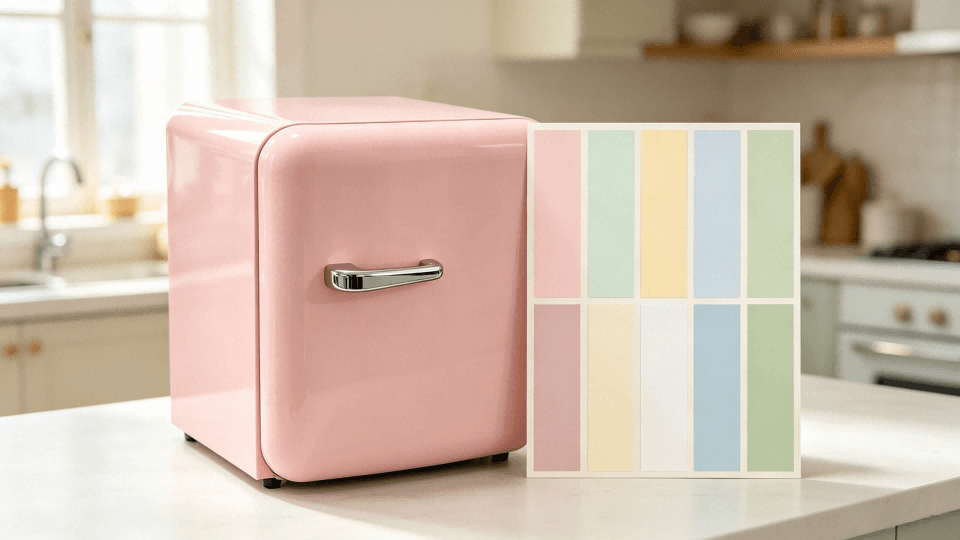
- Core Classics: Select 3-4 timeless vintage colors that fit your chosen era. For a 50s theme, this might be Cream, Mint Green, and a classic Red. These are your safe bets that will always have demand.
- Seasonal Standout: Add one or two "hero" colors based on current design trends. This could be a Pantone Color of the Year or a shade you see gaining popularity on social media. This shows your brand is fresh and relevant. It creates excitement and gives online influencers something new to talk about.
Selecting Premium Materials
The feel of the fridge is as important as its look.
- Body: The main body should be made of steel with a high-quality powder-coated finish. This is much more durable than simple paint and provides that deep, rich gloss you see on classic cars. It resists chipping and scratching, which is a huge selling point.
- Hardware: Always insist on real metal for handles, logos, and trim. Polished chrome-plated zinc alloy is a great option for handles because it has a satisfying weight and shine. Avoid chrome-painted plastic at all costs. It feels cheap and will quickly ruin the premium impression you want to create.
I tell my clients to think about the total sensory experience. When a customer opens that fridge door, the cool, solid feel of a metal handle instantly communicates quality before they even look inside.
How do you work with a Chinese supplier for your custom design?
Are you worried about miscommunication with your factory? You fear your final product won't match your vision. These issues can cause costly delays and disappointing results for your brand.
To work effectively with a Chinese supplier, you must provide a detailed design specification sheet, or "tech pack." This document should include precise measurements, color codes (Pantone), material specifications, 3D renderings, and clear photos. Always approve a physical sample before mass production.

Over the years, I have seen many projects fail not because of a bad idea, but because of bad communication. When I started my own factory, my first rule was "clarity above all." Your supplier isn't a mind reader. What seems obvious to you might be interpreted differently by an engineer on the other side of the world. The key to success is to leave no room for guessing. You need to be extremely precise and document everything.
The Power of the Tech Pack
A "tech pack" is your project's bible. It's a detailed document that tells the factory exactly what to build. Don't just send a pretty picture. Your tech pack must include:
- Technical Drawings: Include 2D drawings with exact dimensions for every part of the fridge.
- 3D Renderings: Show the fridge from all angles so there is no confusion about the overall look.
- Color and Material Specifications: Use universal color codes like Pantone (e.g., "Pantone 12-0738 TPX Cream Gold"). For materials, be specific: "Handle to be zinc alloy with polished chrome plating, minimum thickness 3 microns."
- Reference Photos: Include photos of real vintage products that inspired your design elements. For example, "Handle shape should be inspired by the 1955 Bel Air car door handle, see attached photo."
The Golden Sample
Never, ever skip the sample stage. Once the factory has your tech pack, they will create a prototype, often called the "golden sample." You must have this sample shipped to you for inspection. Check every single detail against your tech pack. Test the door, feel the handle, check the color under different lighting. This is your last chance to make changes. Once you approve this sample, it becomes the standard of quality that every single unit in mass production must match. This sample protects both you and the factory and ensures you get exactly what you paid for.
Conclusion
Creating a unique custom vintage fridge is about making specific, intentional choices in design, materials, and supplier communication to build a product that truly represents your brand.