
Finding reliable vintage refrigerators is tough. Poor quality models hurt your brand. I'll guide you to select top-notch refrigerators that your customers will love and trust.
To select the best vintage refrigerator, focus on three things: build quality, modern energy-efficient components, and a reliable supplier. Prioritize metal bodies over plastic, check for high-quality compressors, and verify the manufacturer's experience to ensure long-term performance and customer satisfaction.
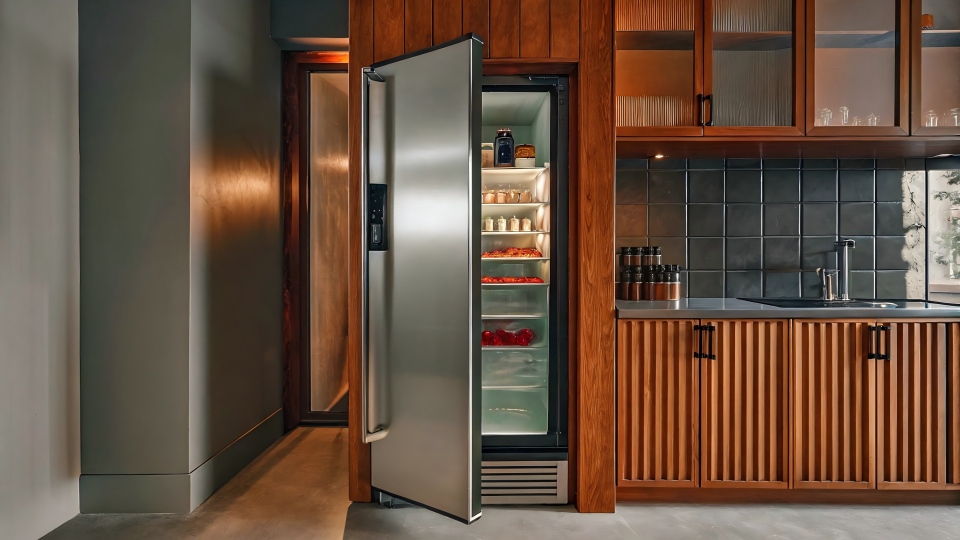
Choosing the right vintage-style refrigerator is more than just picking a cool color. It's about understanding the details that make a product great, from the inside out. As someone who has run a refrigerator factory for years, I've seen exactly what separates the best from the rest. This knowledge helped me succeed, and now I want to share it with business owners like you. Let's dive into the core features that truly define quality, so you can build a product line you're proud of.
What Key Features Define a Quality Vintage Refrigerator?
Worried about the durability of your sourced vintage fridges? Low-quality materials lead to unhappy customers. I’ll show you the key features that signal a well-built, lasting appliance.
A quality vintage refrigerator is defined by its materials and components. Look for a full metal body and door, a high-quality compressor from a reputable brand, and thick insulation. These features ensure durability, better cooling performance, and greater energy efficiency for your customers.
In my early days, I saw a client try to save money by sourcing refrigerators with plastic bodies. They looked fine at first, but complaints about cracks and cheap-feeling products flooded in. This taught me a valuable lesson about the importance of build quality. A great vintage refrigerator feels substantial, and that starts with its construction.
Body Construction and Materials
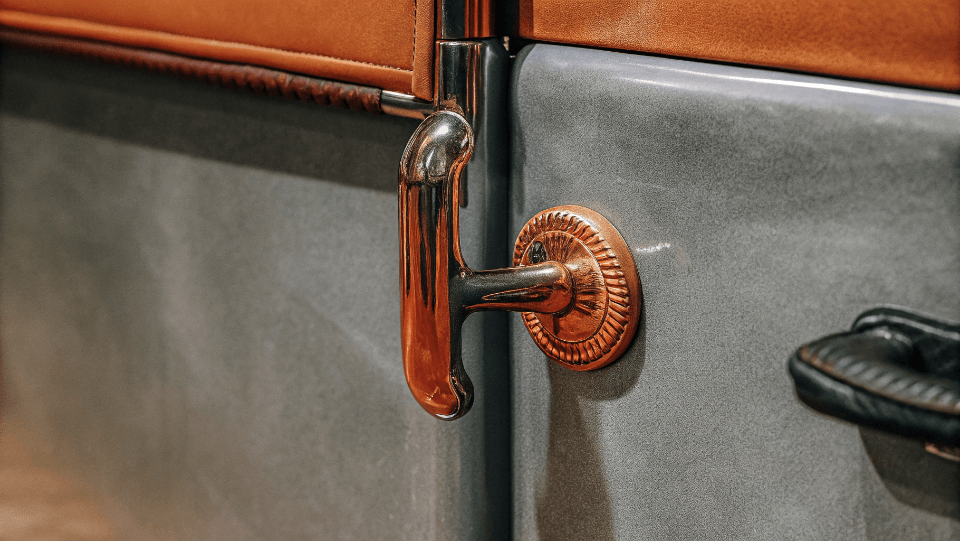
The first thing you or your customer will touch is the refrigerator's body. A premium vintage refrigerator should have a stamped metal body and door, not plastic panels. The feel of cool, solid metal is unmistakable and signals durability. Pay close attention to the details. Are the handles and logos made of real metal, or are they just plastic with a chrome-colored paint? Real metal trim not only lasts longer but also adds to the authentic retro aesthetic. This attention to material quality shows that the manufacturer cares about the final product, not just cutting costs.
The Compressor: The Heart of the Fridge
The compressor is the engine of your refrigerator. A low-quality, no-name compressor is a ticking time bomb. It will be noisy, inefficient, and likely to fail within a few years, ruining your brand's reputation. A high-quality supplier will use compressors from reputable brands like Jiaxipera, Embraco, or Cubigel. These components are more reliable, operate quietly, and are far more energy-efficient. I always tell my clients to ask the factory specifically what brand of compressor they use. It's a simple question that tells you a lot about their commitment to quality.
| Feature | Low-Quality Indicator | High-Quality Standard |
|---|---|---|
| Body | Plastic panels, thin metal | Stamped one-piece metal body |
| Accents | Plastic with chrome paint | Solid metal handles and trim |
| Compressor | Unknown, generic brand | Reputable brand (e.g., Jiaxipera) |
| Insulation | Thin foam, poor seals | Thick cyclopentane foam, strong seals |
How Do You Balance Retro Style with Modern Performance?
Customers want retro style but modern efficiency. An energy-guzzling fridge is a tough sell. I'll explain how to merge classic design with today's high-performance technology.
Balance style and performance by focusing on energy efficiency and user-friendly features. Choose models with high energy star ratings, LED lighting, and auto-defrost functions. This ensures the classic exterior houses modern technology that meets the expectations of today's consumers for convenience and low running costs.
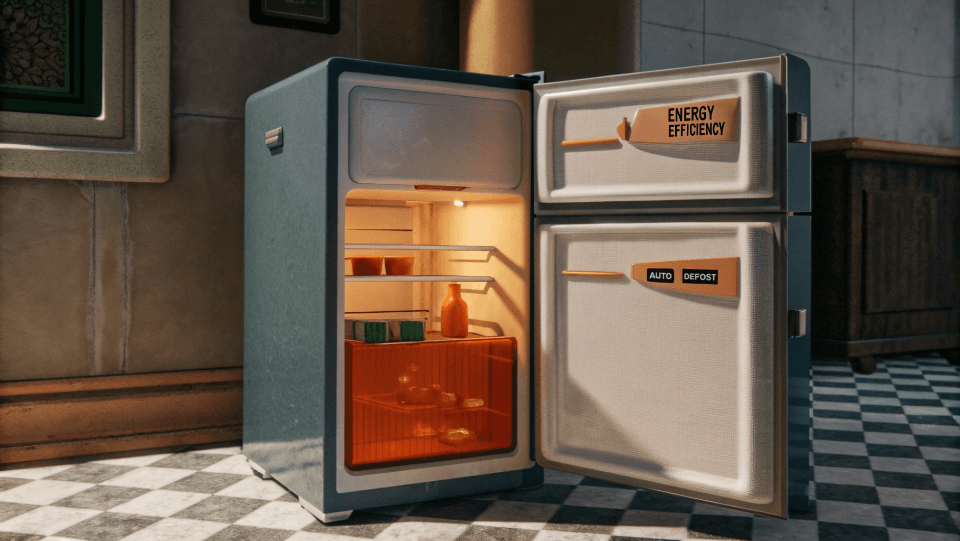
The magic of a great vintage refrigerator is that it combines the style of the past with the technology of today. Customers are drawn to the look, but they buy for the performance. Your product must deliver on both fronts to be successful. It’s a mistake to think aesthetics are enough. I’ve seen beautiful products fail in the market because their running costs were too high or they lacked basic modern conveniences.
Energy Efficiency is Non-Negotiable
Today's consumers are very conscious of their electricity bills and environmental impact. A fridge that looks like it's from the 1950s cannot perform like one. You must look for models with excellent energy efficiency ratings. Ask your supplier for their energy certification for your target market, whether it’s an EU Energy Label or an Energy Star rating. This is a powerful selling point. The technology behind this includes using modern refrigerants like R600a, which is much more efficient and eco-friendly than older types. A good supplier will have all this documentation ready and will understand its importance.
Modern Interior Features
The vintage experience should stop at the door. When a customer opens the refrigerator, they should find a modern, convenient interior. This means bright, energy-saving LED lighting, not a dim incandescent bulb that gets hot. It also means easily adjustable glass shelves, which are far more premium and easier to clean than fixed wire racks. Most importantly, look for a frost-free or auto-defrost system. Nobody wants to spend their weekend chipping ice out of their freezer. These features an't just add-ons; they are standard expectations that make a product usable and desirable in the long run. I helped a client in Europe significantly boost sales simply by upgrading their standard interior from wire racks to adjustable glass shelves. It made the product feel much more valuable.
What Should You Look for in a Vintage Refrigerator Supplier?
Found a supplier but unsure if they're reliable? A bad partner costs you time and money. I’ll share my insider tips for vetting the perfect factory partner.
When choosing a supplier, look beyond the price. Verify their certifications (like ISO9001, CE, ETL), inspect their production line for quality control, and ask for their R&D capabilities. A good partner is an expert in refrigeration, not just an assembler, and will help you improve your product.
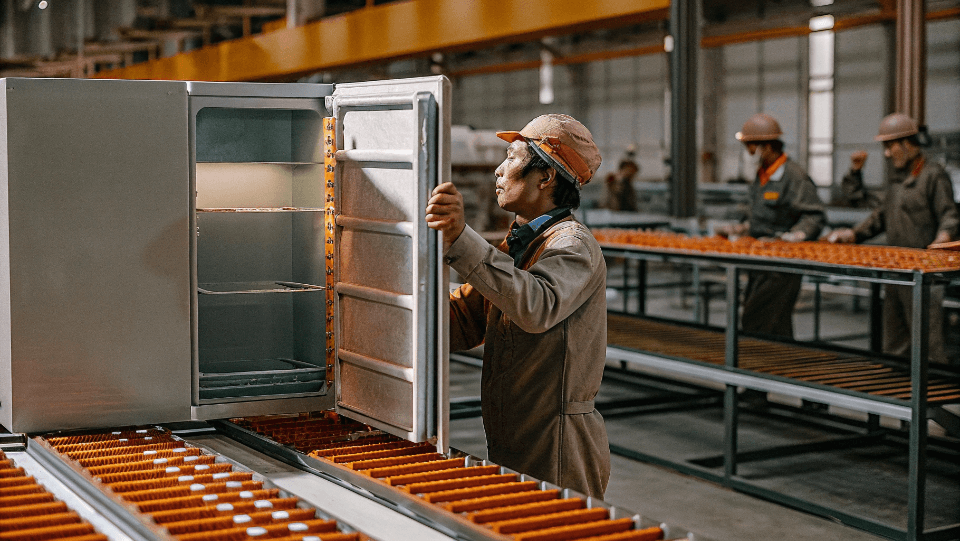
Finding the right manufacturing partner is perhaps the most critical step in building your brand. Your supplier isn't just a vendor; they are an extension of your company. Their quality becomes your quality. Their problems become your problems. After decades in this industry, both buying components and running my own factory, I've learned to spot the difference between a simple assembler and a true strategic partner.
Certifications and Quality Control
A professional factory will proudly display its certifications. Look for quality management System certifications like ISO9001, which shows they have organized processes. Also, confirm they have the necessary product safety certifications for your market, such as CE for Europe or ETL for North America. But don't stop there. Ask them about their Quality Control (QC) process. Do they test every single unit before it leaves the factory? I never work with a factory that only does spot checks. They should be able to show you a checklist of the tests they perform, which should include cooling performance, noise level checks, and even packaging drop tests to simulate shipping.
R&D and Customization
A great supplier has a strong Research & Development (R&D) department. This means they are not just copying other designs; they are actively working to improve them. This is crucial for a brand owner like you who wants to stand out. An R&D-focused partner can help you with customization. They can match specific Pantone colors for your brand, perfectly apply your logo, or even make small design modifications to create a unique product. A simple assembly workshop can't offer this level of partnership. When you can offer exclusive colors or features, you create a stronger brand identity and can command a better price.
Communication and Business Relationship
Finally, evaluate the relationship. Is their sales team responsive, professional, and fluent in your language? Do they understand your business goals? A good partner acts like a consultant. They should be transparent about production lead times and proactive in solving problems. I always tell people, you are building a long-term relationship. Treat your first order like a trial run. See how they handle the process from start to finish. If communication is poor or they are not transparent, it's a major red flag, no matter how low their price is.
Conclusion
Selecting the best vintage refrigerator means balancing style, quality, and your supplier. Focus on these details, and you will build a brand that customers trust and love for years.