
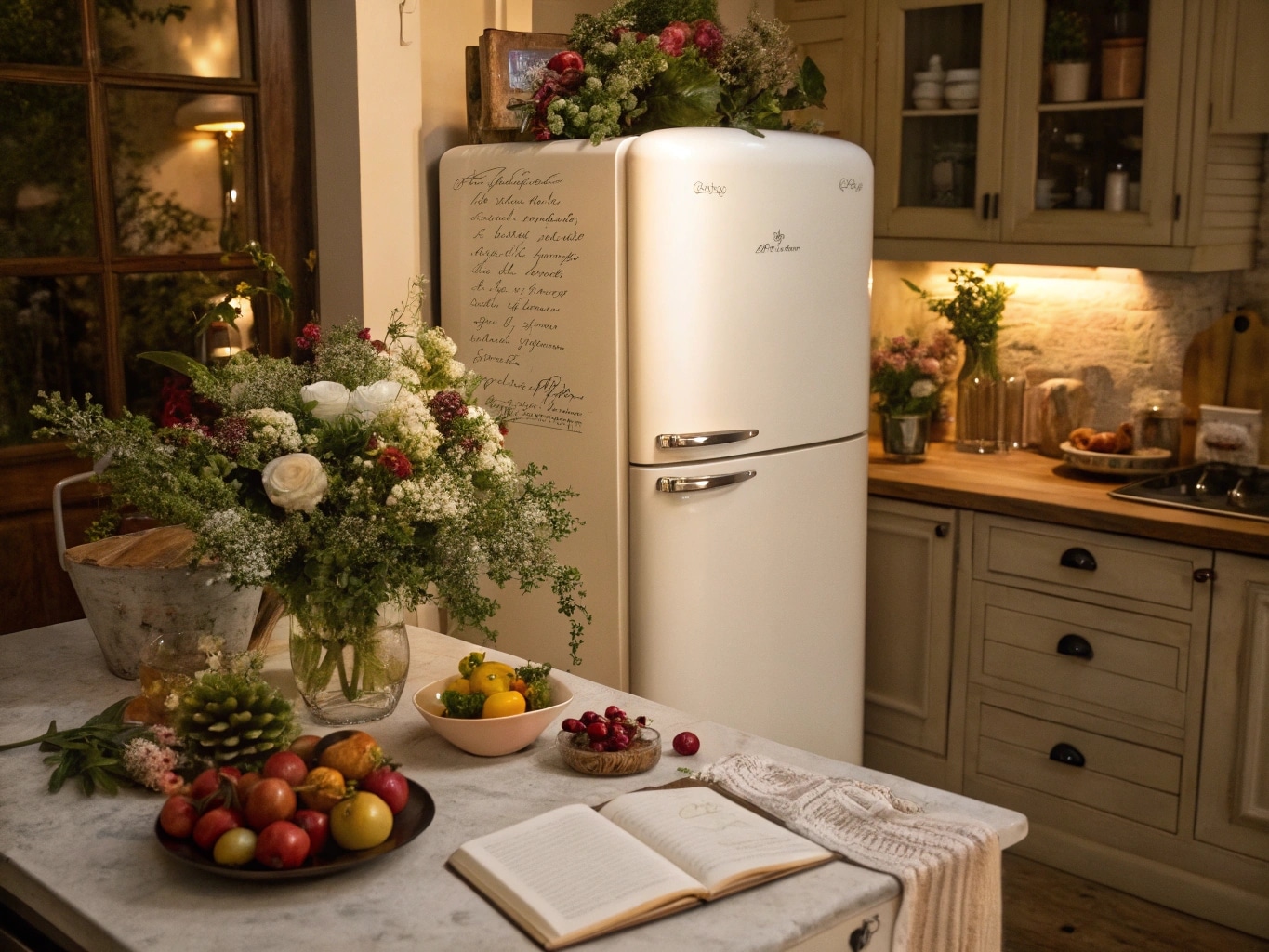
Are you captivated by the beautiful design of SMEG appliances but shocked by the price? You're not alone. The high cost makes you wonder if it's even possible to compete.
Smeg appliances are expensive because you are paying for the brand, not just the product. Their price reflects massive marketing costs, Italian design heritage, and luxury positioning, while the actual manufacturing cost is only a small fraction of what you pay.
I’ve been in the kitchen appliance industry for a long time, starting on the factory floor and eventually building my own refrigerator factory. My journey has taught me a lot about what goes into the price of an appliance. It's often more about the story than the steel. That beautiful, expensive fridge you see has a secret, and it's one that could be a huge opportunity for your business. Let's break down exactly what you're paying for when you see that SMEG logo.
Is Smeg considered luxury?
Do you want to offer premium products but feel unsure what makes something "luxury"? It can feel like a fuzzy concept, making it hard to position your own brand effectively.
Yes, Smeg is absolutely considered a luxury brand. This is due to its "Made in Italy" design prestige, its status as a home fashion statement, and its high price point. It sells a lifestyle, not just a refrigerator.
When we think of luxury, we often think of things that are simply better made. But in today's market, luxury is more about perception and story. I've seen brands build empires on this. Smeg isn't just selling a way to keep your food cold; it's selling a piece of Italian art for your kitchen. Celebrities and designers put them in their homes, which acts as powerful advertising. This turns the appliance into a status symbol. They've positioned themselves as a designer brand that happens to make appliances, not the other way around. This distinction is key to their pricing strategy. It's less about the internal parts and more about the external image.
Standard vs. Luxury Appliance Attributes
| Attribute | Standard Appliance | Smeg (Luxury) Appliance |
|---|---|---|
| Primary Goal | Functionality & Reliability | Design & Aesthetics |
| Branding | Mass-market, focuses on specs | Niche, focuses on lifestyle & heritage |
| Placement | Appliance stores | High-end department stores, design showrooms |
| Customer | Needs a new fridge | Wants a specific kitchen look |
What is special about a Smeg fridge?
You see that unique shape and those bright colors, but what really makes a Smeg fridge special? You might guess there is some secret technology inside that justifies the high cost.
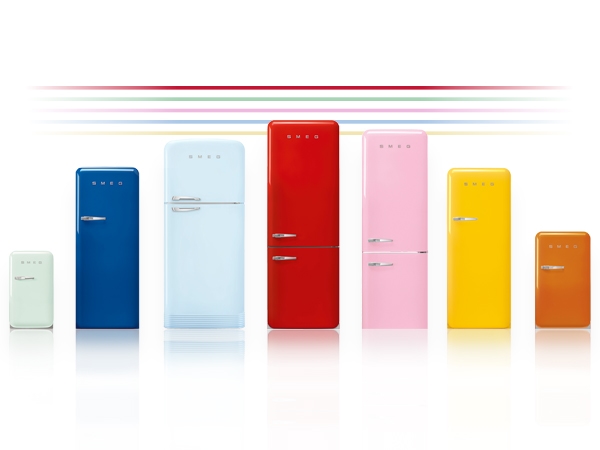
The most special thing about a Smeg fridge is its iconic 1950s retro design. The rounded corners, vibrant color palette, and chrome details make it an instant centerpiece. Its specialty is its look, not its technology.
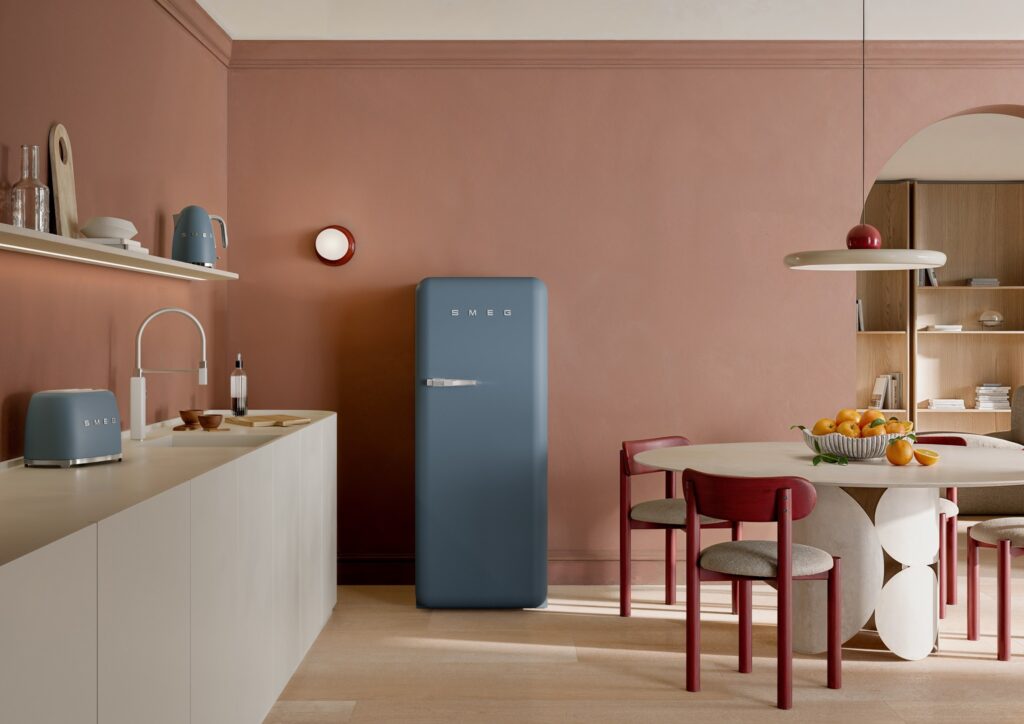
From my experience manufacturing refrigerators, the core technology inside most fridges is quite similar. The real difference with Smeg lies entirely in its exterior design.
The Power of Nostalgic Design
Smeg mastered the art of nostalgia. The FAB28 model, their most famous, looks like it came straight out of a 1950s movie. This creates an emotional connection. People are buying a feeling, a memory of a simpler, more stylish time. Even for those who didn't live in the 50s, the design represents a classic, timeless cool.
Color as a Brand Identity
Before Smeg, most kitchens were filled with white, black, or stainless steel appliances. Smeg introduced a world of color: pastel green, pink, sunny yellow. This allowed people to use their refrigerator to express their personality. It became a piece of furniture, a design choice as important as the cabinets or countertops. This was a brilliant marketing move that set them apart from everyone else.
Why is a Smeg fridge expensive?
You know it's about the brand and design, but where does the money actually go? It's frustrating to see a massive price tag and not understand the real cost breakdown.
A Smeg fridge is expensive because customers bear the costs of its global marketing, branding, and distribution markups. The actual manufacturing cost is a very small part of the final retail price, creating a huge profit margin based on brand value.
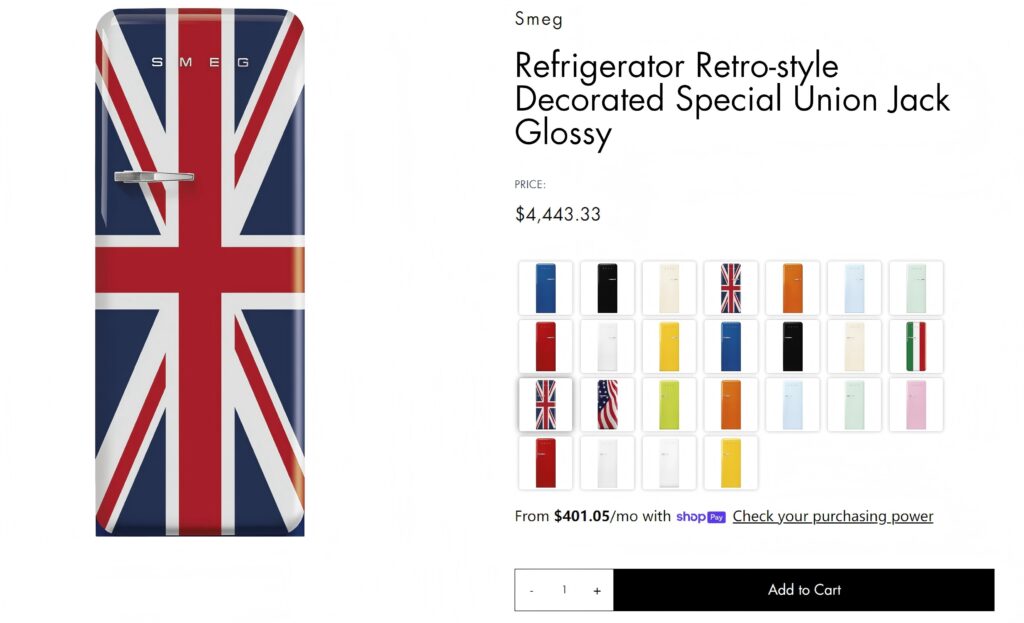
This is where my factory experience gives me a clear view. We constantly analyze competitor products to understand the market. When we look at a Smeg fridge, we see beautiful design, but we also see a huge gap between the cost to make it and the price to buy it.
Manufacturing Cost vs. Retail Reality
Let me be direct. Based on my analysis and production costs in China, a high-quality 180-liter retro refrigerator, even with custom colors and designs, costs less than $300 to manufacture. Yet, Smeg often sells these for $1,500 to $2,000. So where does that extra money go? It's not in better cooling technology. It's in building and maintaining the luxury brand image. Think of the cost of showrooms in prime locations like Beijing and Shanghai, glossy magazine ads, and influencer partnerships. The customer pays for all of this.
This gap is your single biggest opportunity. Other brands, like China's Galanz, have already started producing affordable retro fridges. This proves the style is in demand, but the luxury price isn't necessary. If you're an SME owner like Alex, looking to develop your own retro fridge brand, you can contact us directly on WhatsApp to start customizing your dream product line.
Estimated Retail Price Breakdown
| Cost Component | Estimated % of Retail Price |
|---|---|
| Actual Manufacturing Cost | ~15% |
| Shipping & Logistics | ~10% |
| Marketing & Brand Building | ~30% |
| Distributor & Retailer Markup | ~25% |
| Brand Profit | ~20% |
Conclusion
Smeg's high price is built on branding and design, not superior function or cost. This creates a massive opportunity for new brands to offer that same beloved style at a competitive price.