
Struggling to pick the right refrigerators for your convenience store? The wrong choice can lead to spoiled products, high energy bills, and lost sales. Let's make sure you get it right.
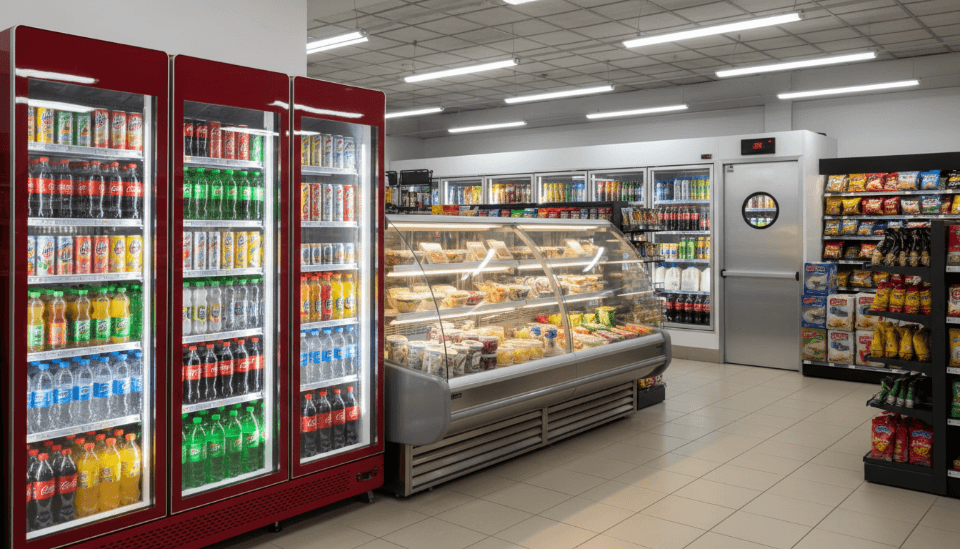
A convenience store needs a mix of refrigerators. The most common are glass door merchandisers for drinks and grab-and-go items, deli cases for fresh food, and potentially a walk-in cooler for back-of-house storage. Each unit keeps inventory fresh, organized, and ready for sale.
I’ve seen many store owners get overwhelmed by the options available. It is easy to see why. But breaking it down makes the process simple. I want to help business owners, who are skilled in marketing but might need a guide on the hardware side. Let's start by looking at the specific types of units you'll need to create an effective and profitable setup.
Which Refrigerator Types Are Essential for a Convenience Store?
Don't know the difference between a reach-in and a merchandiser? Buying the wrong type means inefficient space use and poor product presentation. Let's clarify the core types for your store.
The key types are glass door merchandisers to display products and encourage impulse buys, reach-in or walk-in coolers for backroom storage, and specialized units like open-air coolers or deli cases. Each serves a distinct purpose for your store's success.
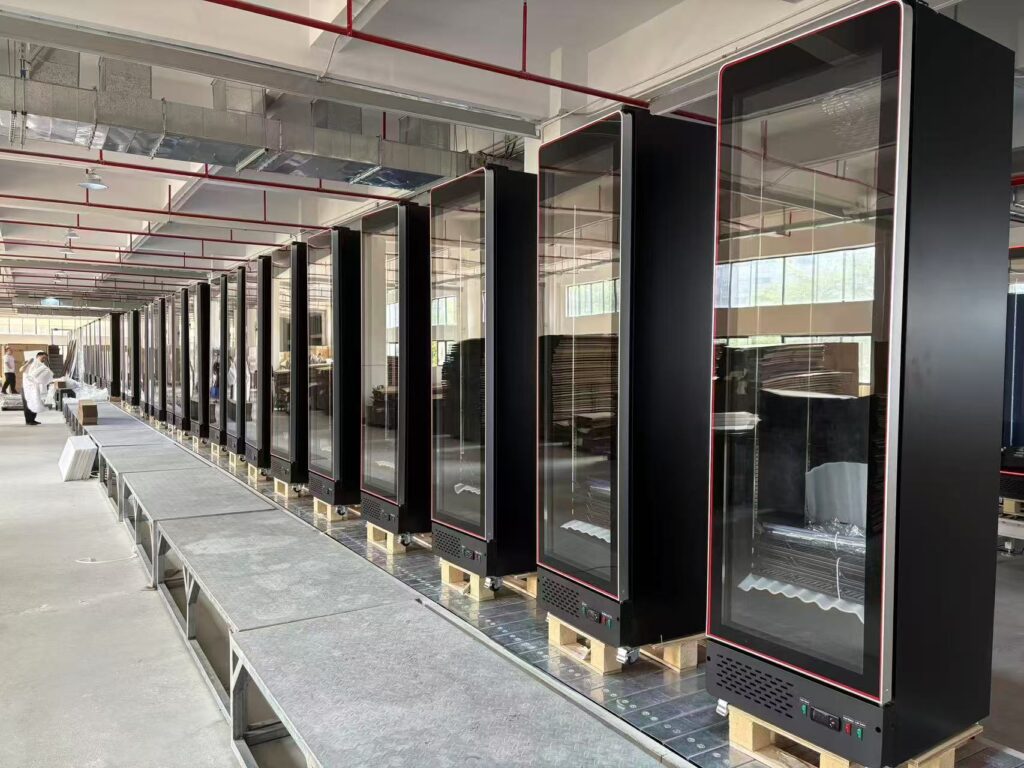
When planning your store, you need to think about two main areas: where the customer shops and where you store your stock. This simple idea helps you choose the right equipment. I remember helping a client, who initially only bought merchandisers. His business grew, but restocking became a nightmare. Adding a walk-in cooler streamlined his entire operation.
Customer-Facing Units
These units are all about presentation and ease of access. They are designed to drive sales.
- Glass Door Merchandisers: These are the most common units you see. They are perfect for bottled drinks, dairy, and pre-packaged sandwiches. Customers can see everything at a glance, which encourages impulse buys.
- Open-Air Coolers: These have no doors and are great for grab-and-go items. Think salads, fruit cups, and specialty drinks. Their convenience can significantly boost sales of high-margin items.
- Deli & Bakery Cases: If you offer fresh sandwiches, pastries, or cheeses, a deli case is essential. It keeps food at the perfect temperature while displaying it beautifully.
Back-of-House Storage
This is your operational backbone. Efficient backroom storage keeps your inventory safe and makes restocking easy. Your choice here depends on your sales volume and store size.
| Refrigerator Type | Best For | Key Benefit |
|---|---|---|
| Reach-In Cooler | Smaller stock, frequent access | Fits in smaller spaces, good for organizing daily-use items. |
| Walk-In Cooler | Bulk inventory, large stock | Maximizes storage space, reduces daily deliveries. |
What Key Features Should You Look for in a Convenience Store Refrigerator?
Worried about high electricity bills from your refrigerators? Choosing a unit based on price alone often leads to huge long-term operating costs. Let's learn the features that save you money.
Look for energy efficiency (like an ENERGY STAR rating), proper sizing to fit your space, and reliable temperature control to protect inventory. Also check for good LED lighting to make products look appealing. These features directly impact your profitability and operational smoothness.
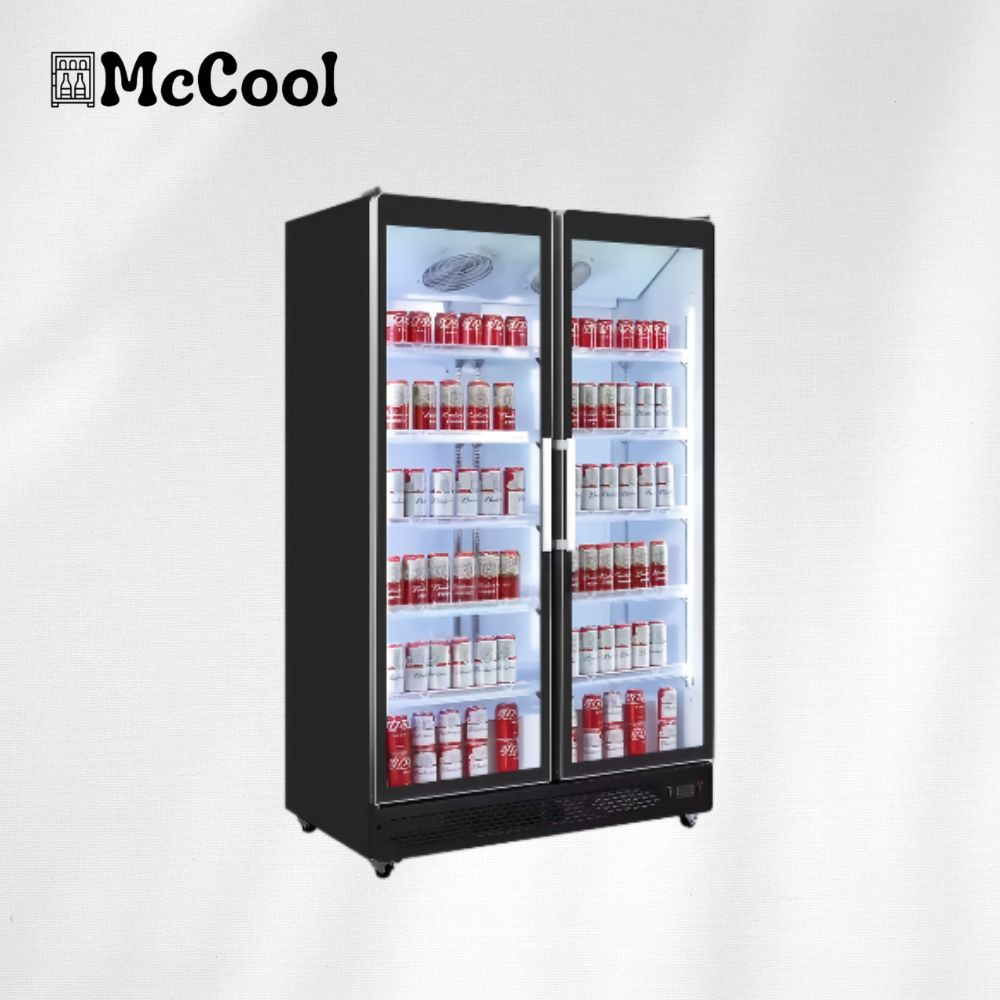
From my years running a refrigerator factory, I can tell you that the small details make a big difference in your daily operations and your bottom line. A refrigerator is not just a box that stays cold. It is a 24/7 sales tool and a guardian of your inventory. Focusing on the right features from the beginning prevents headaches later.
Energy Efficiency
Your refrigerators run all day, every day. They are one of your biggest energy costs. Look for models with an ENERGY STAR certification. These units are proven to be more efficient, saving you hundreds or even thousands of dollars over their lifespan. Features like high-quality insulation and self-closing doors also make a big impact.
Temperature and Control
Spoiled product is lost profit. A reliable refrigerator with a digital thermostat is a must. It allows you to set and monitor temperatures precisely, ensuring food safety and quality. Some modern units even come with temperature alarms that can alert you if something is wrong, which has saved some of my clients from losing their entire stock overnight.
Size and Lighting
The size must match your sales volume. Too small, and you're constantly restocking. Too large, and you're wasting energy cooling empty space. Plan your capacity based on your sales projections. Inside the unit, lighting is critical.
| Lighting Type | Energy Use | Heat Output | Product Appearance |
|---|---|---|---|
| LED | Low | Very Low | Bright, clean, enhances colors |
| Fluorescent | Higher | Higher | Can wash out colors, less vibrant |
When my factory switched to offering LED lighting as a standard feature, our clients were thrilled. They reported lower energy bills and a clear increase in drink sales because the products simply looked more appealing.
How Can You Find the Right Refrigerator Supplier for Your Business?
Nervous about trusting a supplier thousands of miles away? A bad supplier can deliver poor quality products, offer no support, and ruin your investment. I want to share how to vet a great partner.
To find a good supplier, check their industry experience and certifications (like ISO, CE). Ask for client references and case studies. Also, evaluate their communication and support. A reliable partner is invested in your success and offers help after the sale.

I have built my career on being a reliable partner, not just a manufacturer. I always tell business owners that a cheap price is forgotten long after the frustration of poor quality remains. Finding a supplier you can trust is the most important step in buying equipment from overseas. It’s about building a relationship that helps your business grow.
Look Beyond the Price Tag
The lowest price is often a red flag. It can mean a factory is using low-grade compressors, thin insulation, or poor-quality steel. These units will fail sooner and cost more in energy and repairs. A good supplier will be transparent about their components and build quality. They will explain why their product is a good value, not just that it is cheap.
Check for Certifications and Quality Control
A professional factory will have certifications to prove their quality. Ask for documents like ISO 9001, which shows they have a quality management system. For electrical products, look for safety marks relevant to your region, such as CE for Europe or UL for the United States. Also, ask about their quality control process. Do they test every unit before it ships? A serious supplier will be proud to show you.
Evaluate Communication and Support
This is where true partners stand out. Are they quick to respond to your emails? Do they have staff who can communicate clearly in your language? Before you buy, ask them about their after-sales support.
- What is the warranty period?
- How can you get spare parts if something breaks?
- Do they offer technical support?
A good partner will have clear answers. They will discuss spare parts availability before you even place an order. That is the sign of a company that plans for your long-term success.
Conclusion
Choosing the right refrigerators and a good supplier is simple when you focus on types, key features, and partner quality. This foundation ensures your convenience store’s success and profitability.