
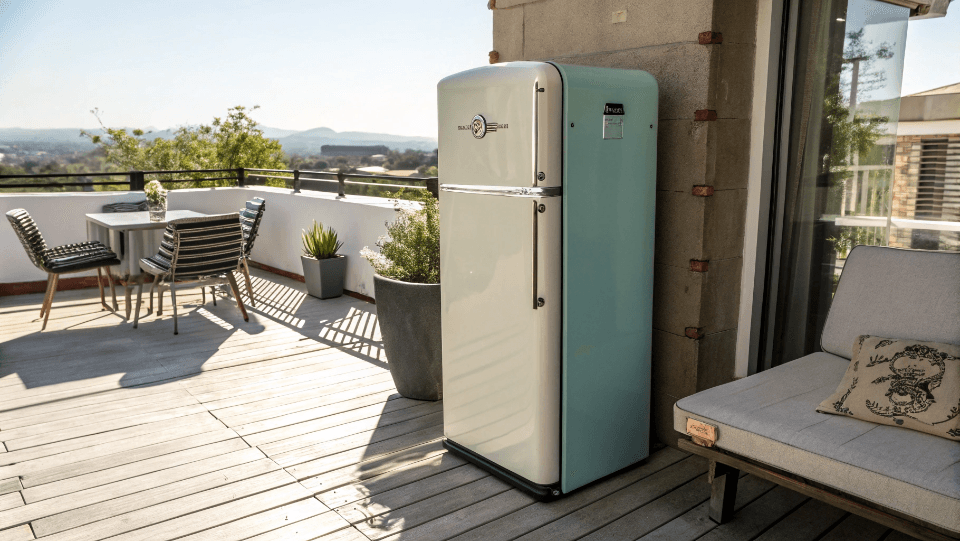
Thinking about placing that stylish custom fridge on a patio? Using an indoor model outside often leads to damage and unhappy customers. It's better to understand the risks first.
No, a standard custom fridge is not designed for outdoor use. It lacks the necessary weatherproofing, durable materials like rust-proof steel, and a powerful cooling system to handle extreme temperature changes, direct sunlight, and moisture. Using one outdoors will void its warranty and lead to quick failure.
I've seen many business owners like Niko, get excited about expanding their product line. You see an opportunity for outdoor entertaining and think your beautiful retro fridges would look perfect next to a grill. I completely get the vision. But from my years in the factory and helping clients grow, I know that this simple idea can turn into a big headache. Before you make a costly mistake, let's look at what makes an outdoor fridge truly different and why that matters for your business.
What Makes an Outdoor Fridge Different from an Indoor One?
Struggling to see why outdoor fridges cost more? Choosing the wrong type for your brand can lead to expensive returns and damage your reputation. Let's look at the real differences.
An outdoor fridge uses superior materials like 304-grade stainless steel for rust resistance, has a more powerful compressor to handle high heat, and features sealed electrical components to protect against moisture. These upgrades ensure it works safely and reliably in the elements.
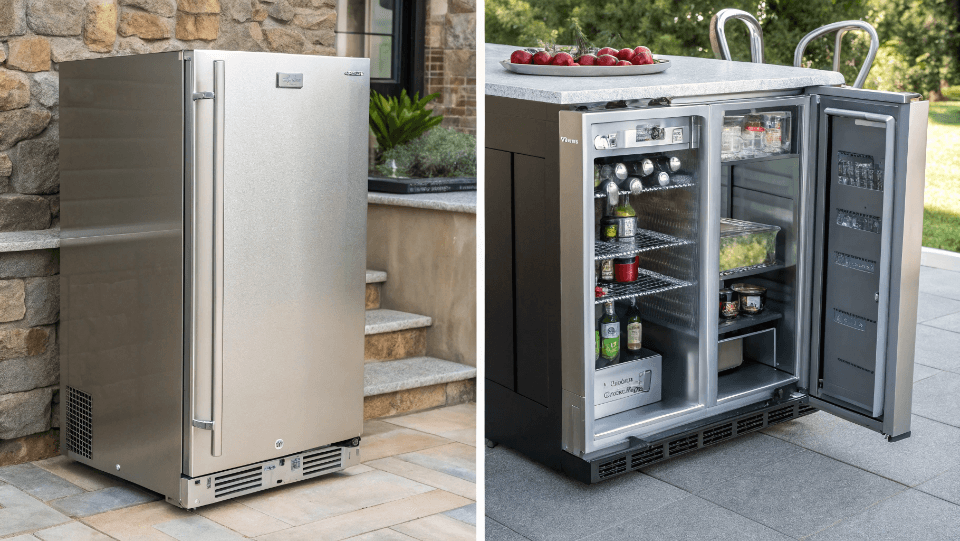
When I was running my refrigerator factory, the clearest difference was always in the materials we used. For an indoor fridge, you can use various materials because the environment is stable. But for an outdoor unit, everything changes. The choice of materials and components is not about looks; it's about survival.
Material Durability
The biggest enemy outdoors is moisture, which causes rust. A standard refrigerator often uses a lower grade of steel or coated metal that will start corroding quickly when exposed to rain and humidity. A true outdoor-rated unit must be built with 304-grade stainless steel. This material has a higher nickel and chromium content, making it extremely resistant to rust and corrosion. It’s the same stuff used in high-end grills and commercial kitchens for a reason.
Cooling System Power
An indoor fridge is designed to work in a narrow range of temperatures, usually between 15°C to 32°C (60°F to 90°F). An outdoor environment is much more extreme. On a hot summer day, a patio can reach over 40°C (104°F). A standard compressor will run constantly trying to keep cool, leading to burnout. Outdoor refrigerators have heavy-duty compressors and better ventilation systems built to handle these high ambient temperatures without failing.
Weatherproofing and Safety
Beyond the big parts, it's the small details that count. Electrical components on an indoor fridge are often exposed on the back. Outdoors, this is a huge safety risk. A proper outdoor unit will have all its wiring and electrical parts sealed and protected from moisture to prevent short circuits. They often carry a specific certification, like a UL outdoor rating, which guarantees they have been tested for safe operation in wet conditions.
| Feature | Standard Indoor Fridge | True Outdoor Fridge |
|---|---|---|
| Main Material | Painted Steel, 430 SS, Plastic | 304-Grade Stainless Steel |
| Weather Resistance | Low (Prone to rust & UV fade) | High (Resists rust & corrosion) |
| Operating Temperature | 15°C - 32°C (60°F - 90°F) | 0°C - 43°C (32°F - 110°F) |
| Electrical Safety | Basic, unsealed components | Sealed, outdoor-rated (UL) |
| Insulation | Standard | Thicker, high-density foam |
How Does Weather Affect a Standard Custom Fridge Outside?
You think a covered patio offers enough protection for your fridge? But even indirect exposure to sun, rain, and cold can quickly ruin an indoor unit, causing performance and safety issues.
Direct sun forces the compressor to overwork and fail while fading the finish. Rain and humidity rust metal parts and create electrical hazards. Cold weather can thicken the compressor's oil, preventing the unit from starting at all, causing permanent damage.
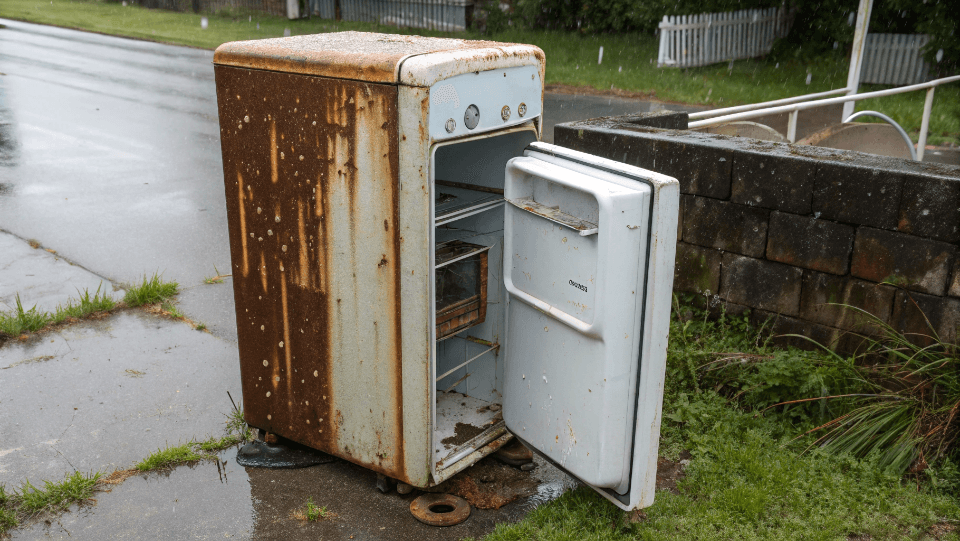
It's tempting to think that a little bit of "shelter" is all a fridge needs. I had a client once who did just that. He placed one of his beautiful, brightly colored retro fridges under a covered porch for his showroom display. Within a single season, the color had faded on the side that got the afternoon sun, and condensation had caused rust to form around the door hinges. He learned a hard lesson about how unforgiving the weather can be, even when you think you're protected.
The Problem with Sunlight
Even indirect sunlight has two major negative effects. First, UV rays will break down the paint and plastic components over time, causing them to fade, become brittle, and crack. For a brand like Smeg where the retro aesthetic is key, a faded product looks old and cheap. Second, the heat from the sun dramatically increases the ambient temperature around the refrigerator. The cooling system on an indoor model isn't built for this. It will run non-stop, driving up energy bills and leading to a much shorter lifespan for the compressor. It's simply not a fair fight.
The Danger of Rain and Humidity
This is the biggest issue. An indoor refrigerator is not sealed against moisture. Rain, dew, or even high humidity can get into the electrical components, the door seals, and the insulation. Water can cause rust to form on the frame, the condenser coils, and any other metal parts. Worse, it creates a serious electrical shock hazard. You can't risk your customers' safety. An outdoor-rated unit has sealed electricals and water-resistant construction for this very reason. It’s a non-negotiable feature.
The Impact of Cold Weather
Many people forget that cold can be just as damaging as heat. Refrigerators use oil to lubricate the compressor. In cold temperatures, this oil can thicken, becoming like sludge. When the thermostat calls for the fridge to turn on, the compressor can't start because the oil is too thick. This can cause the motor to burn out. Most indoor models are not designed to operate in temperatures below 10°C (50°F).
What Should You Look For in a True Outdoor Custom Fridge?
Ready to offer a reliable outdoor fridge to your customers? Sourcing the right product can feel overwhelming with so many technical specs. Don't worry, there's a clear checklist to follow.
Always ask your supplier for 304-grade stainless steel construction to prevent rust. Insist on a verified outdoor safety rating, like UL or ETL. Finally, confirm the unit is designed to operate in high ambient temperatures, up to at least 43°C (110°F).
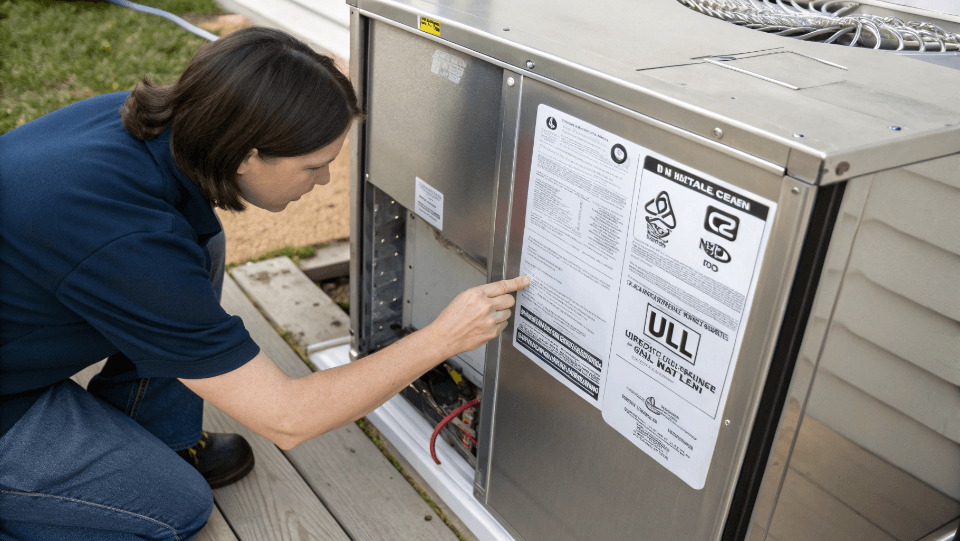
As someone who sells OEM products, your power lies in asking your suppliers the right questions. Your brand's reputation depends on the quality of the products you source. You don't have to be an engineer, but you do need to know the key specifications that separate a real outdoor product from a fake one. When you talk to factories in China, being specific shows them you are a serious and knowledgeable buyer. I always tell people to focus on three critical areas: the metal, the certificate, and the performance.
Key Material: 304 Stainless Steel
This should be your first question. Don't just ask for "stainless steel." Be specific: "Is the exterior construction made from 304-grade stainless steel?" Some factories might try to use a cheaper 430-grade steel, which looks similar at first but will show surface rust within months of being outdoors. Your customers will notice, and they will blame your brand. If you want to build a brand that lasts, you must start with materials that last.
Essential Certifications
A certification isn't just a piece of paper; it's proof that the product has been independently tested and deemed safe for its intended environment. For North America, the gold standard is a UL (Underwriters Laboratories) outdoor rating. For other regions, there might be equivalent certifications like CE or ETL listed for outdoor use. Ask your supplier for a copy of the certificate. This protects you from liability and assures your customers that they are buying a safe product.
Performance Specifications
Finally, you need to know how the fridge will perform on the hottest day of the year. Ask the supplier for the unit's "maximum ambient operating temperature." A true outdoor model should be able to function perfectly in temperatures up to 43°C (110°F). This shows it has the powerful compressor and proper ventilation needed to work reliably when your customer needs it most—during a summer barbecue.
Here is a quick checklist to use when speaking with potential suppliers:
| Sourcing Checklist Item | Question for Supplier | Why It's Important |
|---|---|---|
| 1. Steel Grade | "Is the exterior cabinet made from 304-grade SS?" | Prevents rust and ensures long-term durability. |
| 2. Safety Certification | "Does this unit have a UL/ETL/CE outdoor rating?" | Verifies it's safe to use in wet conditions. |
| 3. Max Temperature | "What is the maximum ambient temperature for this model?" | Ensures the cooling system won't fail in summer. |
| 4. Component Sealing | "Are the electrical components sealed from moisture?" | Prevents short circuits and electrical hazards. |
Conclusion
Placing an indoor custom fridge outdoors is a guaranteed way to cause damage and disappoint customers. For your brand's success and safety, you must source a properly-rated outdoor refrigerator.