
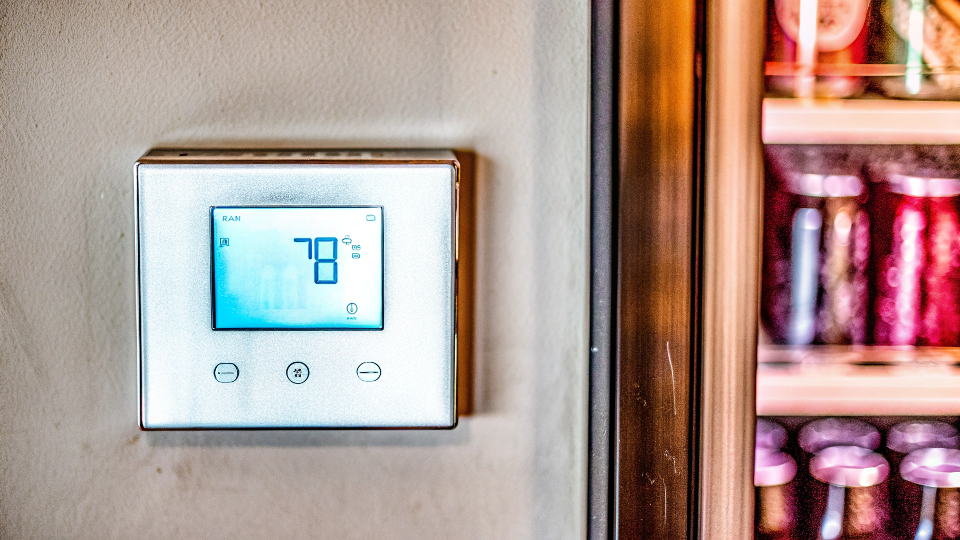
Are your drinks not quite cold enough, or worse, frozen solid? Getting the temperature wrong can ruin your stock and your customer's experience. Let's get it set perfectly.
The ideal temperature for a beverage fridge is between 35-40°F (2-4°C). This range keeps drinks like soda and beer refreshingly cold without any risk of freezing. For wine, a slightly warmer temperature is much better, typically around 45-55°F (7-13°C) to preserve its flavor.
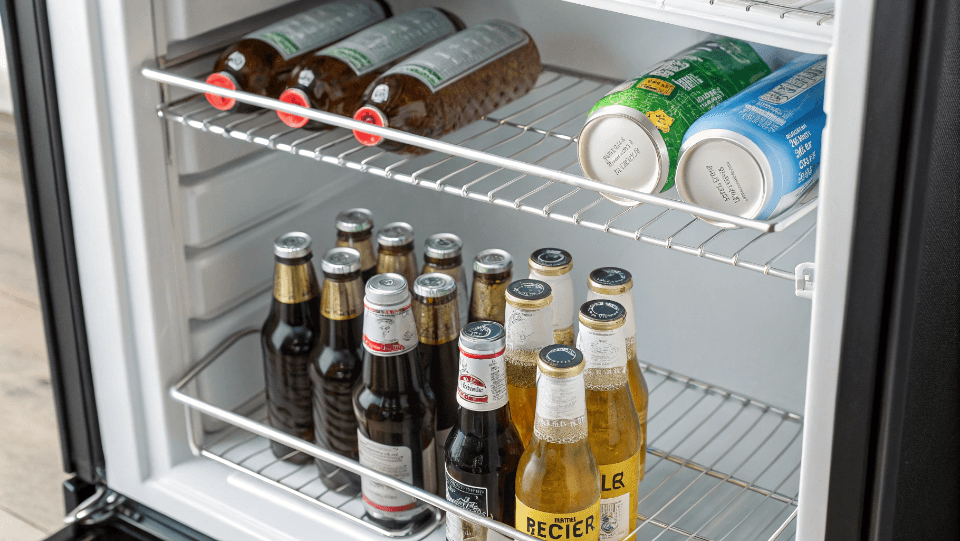
Getting that general temperature range right is a great start. But the story doesn't end there. I learned early in my career that the ideal temperature really depends on exactly what you're chilling. Knowing these details helps you offer a better product and better advice to your customers. Let's look closer at why one temperature doesn't fit all.
What's the Best Temperature for Different Types of Beverages?
Ever wonder why your nice white wine doesn't taste quite right from the fridge? Storing every drink at the same cold temperature can mute the complex flavors you paid for.
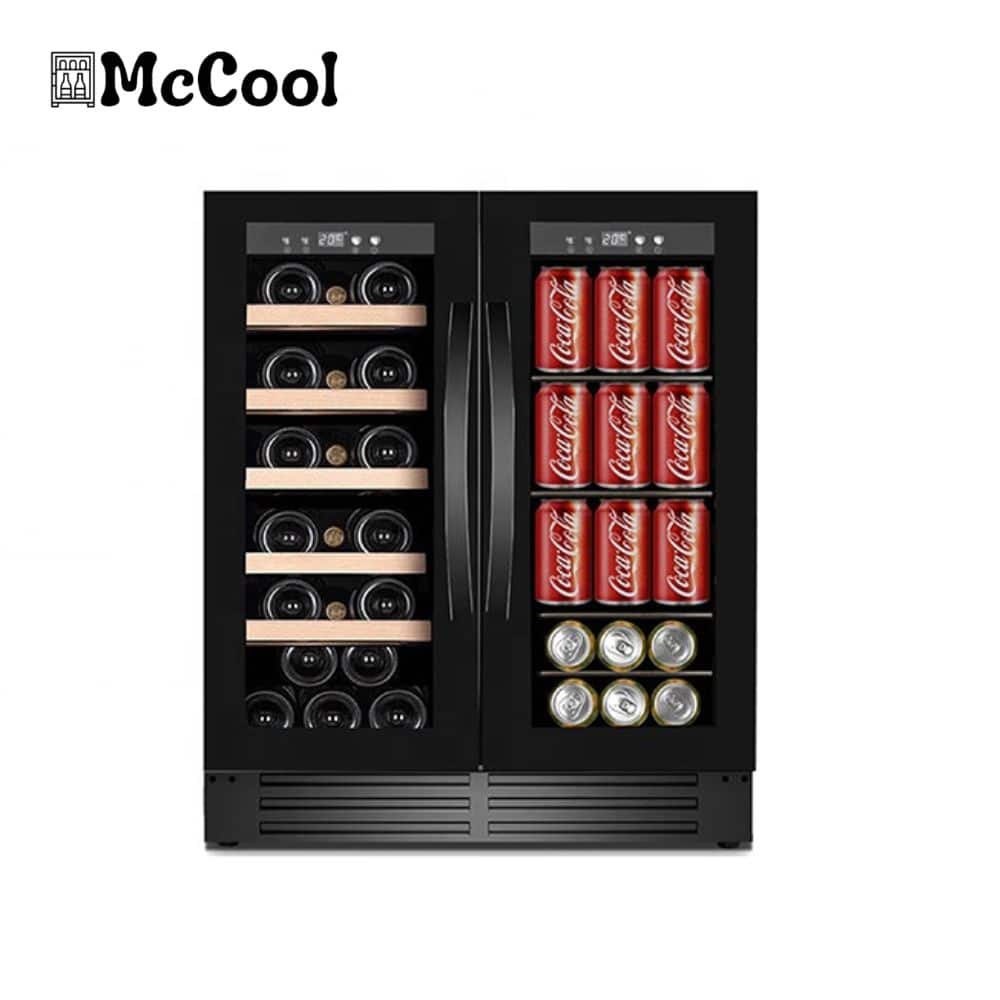
For most sodas and beers, 38°F (3°C) is perfect. White wines and rosés are best between 45-50°F (7-10°C). Red wines should be stored even warmer, around 55-65°F (13-18°C). Using a dual-zone fridge or separate units is the ideal solution for this.
When I first started on the factory floor, I learned that not all "cold" is equal. This is a critical lesson for anyone selling appliances. Even a few degrees can completely change how a drink tastes. You aren't just selling a cold box; you are selling the experience of a perfect drink. It's important to educate your customers on this.
For Carbonated Drinks and Water
These are the easiest. You want them very cold, but not freezing. The temperature range of 35-40°F (2-4°C) is perfect. This temperature keeps the drink crisp and maximizes its carbonation. If it's too warm, it will taste flat and syrupy.
For Beer
Most domestic lagers are great at a very cold 38°F (3°C). However, many craft beers, like ales and stouts, have more complex flavors. If you serve them too cold, you numb your taste buds and miss the taste. These are often better a few degrees warmer.
For Wine
This is where temperature matters most. Storing a fine wine at the wrong temperature is a huge mistake. Each type has its own ideal range. This is an opportunity for a brand to stand out by offering dual-zone fridges that cater to wine lovers.
| Beverage Type | Ideal Temperature (°F) | Ideal Temperature (°C) |
|---|---|---|
| Soda & Water | 35-40°F | 2-4°C |
| Light Beer & Lagers | 35-40°F | 2-4°C |
| Ales & Stouts | 40-45°F | 4-7°C |
| Sparkling Wine | 40-45°F | 4-7°C |
| White & Rosé Wine | 45-50°F | 7-10°C |
| Red Wine | 55-65°F | 13-18°C |
Does the Fridge's Location Affect Its Temperature Performance?
Does your beverage fridge seem to run all the time, making noise and driving up your energy bill? Placing it in the wrong spot forces the unit to work too hard.
Yes, the location has a huge impact. A fridge in direct sunlight, next to a hot oven, or in a cabinet without airflow will struggle. It will run constantly, use more energy, and wear out the compressor much faster. Always give the unit space to breathe.
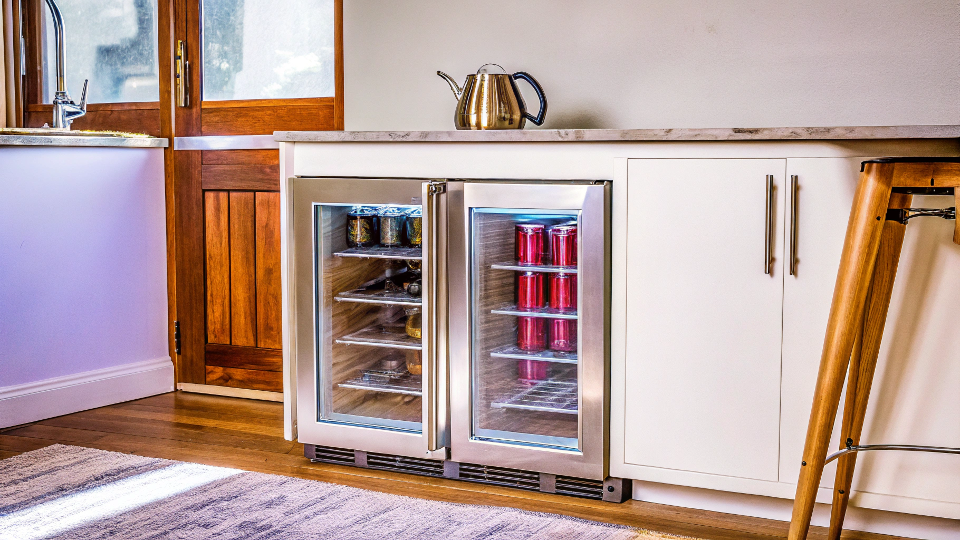
I've visited hundreds of clients' businesses and homes, and poor fridge placement is one of the most common mistakes I see. It's so simple to fix but it makes a huge difference in performance and lifespan. For a business owner who showcases products, understanding this is key to giving customers the right advice and making sure the fridges in your showroom perform perfectly.
Built-in vs. Freestanding
This is the most important distinction. A freestanding unit needs clearance—usually a few inches on the sides and back—to vent heat from the coils. If you push it into a tight cabinet, it will overheat. Built-in units are different. They are designed to vent from the front, usually through a grille at the bottom. This allows them to be installed flush with cabinets. Selling a customer a freestanding unit for a built-in spot will only lead to problems.
Ambient Temperature
The temperature of the room a fridge is in is called the ambient temperature. A fridge in a hot garage in Lebanon will have to work much harder than one in an air-conditioned office. When you import products, you should look at the "climate class" rating (e.g., N, SN, ST, T). This tells you the range of ambient temperatures the fridge is designed for. Choosing the right class for your market is essential for good performance.
Sun and Heat Sources
This is common sense, but people forget it. Don't put a fridge where sunlight will hit it directly. The sun will heat the unit and make the compressor work overtime. The same goes for other heat sources. Keep it away from ovens, dishwashers, and radiators.
What Key Features Impact a Beverage Fridge's Temperature Control?
Looking at product specifications can be confusing, with so many features listed. Picking a model with poor temperature control will only lead to bad reviews for your brand.
A fan-forced cooling system is vital for even temperature. A precise digital thermostat is better than an old dial. A UV-protected, double-pane glass door prevents heat from getting in. For versatility, dual-zone models are a must-have feature for many customers.
When I set up my refrigerator factory, we obsessed over these small details. Because they aren't small—they aare what separates a great product from a bad one. For someone building their own brand with their products, specifying the right features from your supplier is the most important part of the job. This is how you build a reputation for quality.
Cooling System: Fan-Forced vs. Direct Cool
This is a non-negotiable feature for a beverage fridge. "Direct cool" or "static cool" systems have cooling elements in the walls. This leads to cold spots and uneven temperatures. The drinks at the back might freeze while the ones at the front are warm. A "fan-forced" or "dynamic cooling" system has a fan that circulates cold air throughout the cabinet. It ensures every single bottle and can is at the same, perfect temperature.
Thermostat: Digital vs. Analog
An old-style analog dial with a "1 to 5" setting is cheap and imprecise. You are just guessing the temperature. A digital thermostat is far superior. It allows the user to set a precise temperature (for example, 38°F). Many also have a display that shows the current internal temperature. This is a huge selling point for customers who care about their drinks.
The Door: Glass and Seals
The door is a major source of heat transfer. Look for models with at least double-pane glass. Triple-pane is even better. Some have a low-emissivity (Low-E) coating or UV protection to block heat and damaging light. Also, check the door seals. They should be thick and create a strong magnetic seal. I have seen many fridges fail simply because a weak seal was letting cold air leak out constantly.
Conclusion
Getting the temperature right is simple. Know what you're chilling, find a good location, and choose a fridge with the right features. Your drinks, and your customers, will thank you.