
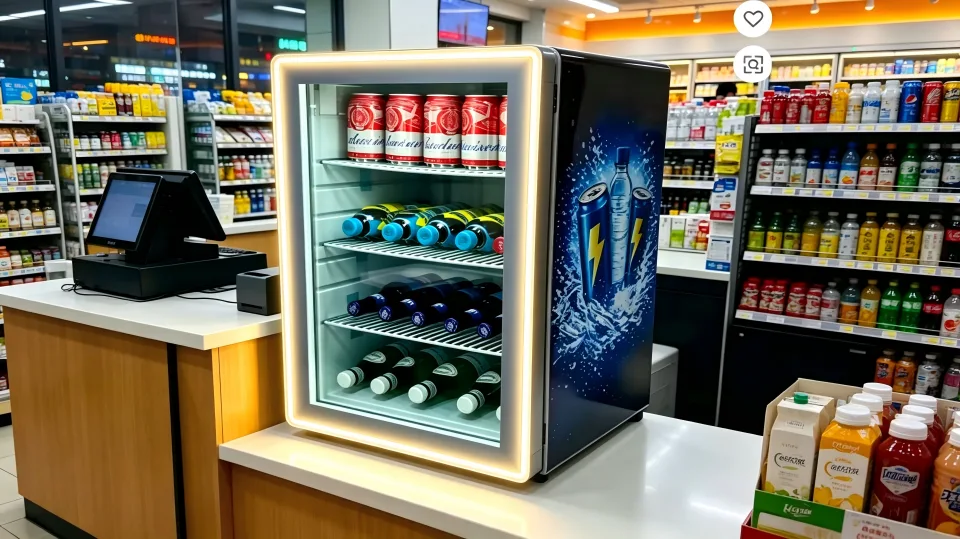
Are your display fridges failing to showcase your products? Old lighting can make items look dull, increase electricity bills, and even hurt sales. It’s time for a brighter solution.
Upgrading to LED lighting is one of the smartest decisions for your business. LEDs make products look more appealing, use significantly less energy, produce less heat, and last much longer than traditional fluorescent bulbs, boosting sales while lowering your operational costs.
When I started my refrigerator factory, I quickly learned that small details can have a huge impact on a client's success. One of the biggest "small details" is the lighting inside a display fridge. It might seem minor, but it affects everything from visual appeal to your electricity bill. For brand owners, getting the lighting right is crucial for standing out in a crowded market, especially online. You want your products to look their best, not just in a showroom but in every photo and video. Let's explore why LED lighting is the key to achieving this.
How Can LEDs Make Your Products Look More Appealing?
Does poor lighting make your products look flat and uninviting? This can cause customers to scroll right past your items online, costing you potential sales. Great lighting fixes this instantly.
LEDs make products look better because they have a high Color Rendering Index (CRI). وهذا يعني أنها تعرض الألوان بصدق وواقعية. This makes food and drinks appear fresher and more vibrant, which directly encourages customers to make a purchase.
Let's dive a little deeper into this. The quality of light is a powerful sales tool. When you sell products like retro refrigerators, both the appliance and its contents need to look fantastic. This is where the technical aspects of LEDs really shine.
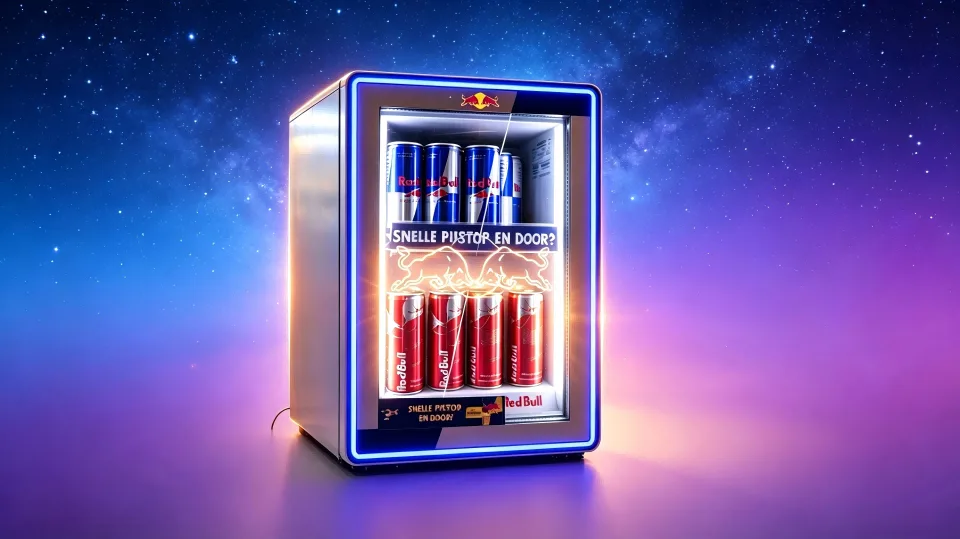
Understanding Light Quality
Color Rendering Index (CRI): CRI is a scale from 0 to 100 that measures how accurately a light source shows an object's true colors. Fluorescent lights often have a CRI of 60-70, which can wash out colors. LEDs typically have a CRI of 80-95. For a brand that relies on visual appeal, a high CRI is non-negotiable. It ensures the beautiful red of a retro fridge or the fresh green of a bottled juice looks exactly as it should.
Color Temperature (Kelvin): LEDs also offer a range of color temperatures, measured in Kelvin (K). This lets you create the perfect mood for your products. A warm light (around 2700K) can make baked goods or coffee look cozy and inviting. A neutral or cool white light (4000K-5000K) makes drinks and dairy products look crisp, clean, and refreshing.
I remember a client who sold artisanal beverages. His sales photos looked okay, but not great. We switched the lighting in his display fridges to a cooler-temperature LED. The difference was immediate. The drinks looked more refreshing, and his online sales increased by almost 20% in the next quarter. For an online business, how your product looks in a photo is everything.
| Feature | Fluorescent Lighting | LED Lighting | Impact for Alex |
|---|---|---|---|
| CRI | 60-70 (Dull Colors) | 80-95 (True Colors) | Products look more premium and appealing online. |
| Flicker | Often visible flicker | No flicker | Better for photos and influencer videos. |
| Color Temp | Limited options | Wide range (Warm to Cool) | Can customize the look to match the product. |
Will LEDs Really Cut Down Your Energy Bills?
Are high energy costs eating into your profits? Every fridge is a constant expense, especially if you have a warehouse or supply to multiple distributors. There is a simple way to reduce this.
Yes, without a doubt. LEDs consume up to 80% less energy than the fluorescent tubes found in older display fridges. This huge reduction in energy use leads to significant savings on your electricity bills every single month.
When I talk with business owners, the conversation always comes back to the bottom line. Reducing costs is just as important as increasing sales. The energy savings from LEDs are one of the most compelling benefits, and the savings go beyond just the light bulb itself.
Direct and Indirect Savings
The first saving is direct and easy to calculate. A typical fluorescent tube in a display fridge might use 40 watts. An equivalent LED strip might only use 8 watts. If that fridge runs 24/7, the savings add up quickly. Now, imagine you have dozens of these fridges in your warehouse or with your distributors. The financial impact becomes massive.
The second saving is indirect, but just as important. Lights produce heat. Old fluorescent lights produce a lot of it. This heat is released inside the refrigerated space. What happens then? The fridge's cooling system—the compressor—has to work harder and run longer to remove that extra heat and maintain the set temperature. This extra work consumes a lot of extra electricity. LEDs produce very little heat, so the compressor doesn't have to fight against the light source. This secondary effect can reduce a fridge's total energy consumption by an additional 10-20%.
| Aspect | Fluorescent Lighting | LED Lighting | Impact on Your Business |
|---|---|---|---|
| Light Energy Use | High (e.g., 40W) | Very Low (e.g., 8W) | Drastically lower electricity bill. |
| Heat Output | High | Very Low | Compressor works less, saving more energy. |
| Annual Cost | High | Low | Increased profit margins on every unit sold/operated. |
Are LEDs More Durable and Cost-Effective in the Long Run?
Are you tired of the hassle and cost of replacing bulbs in your fridges? This maintenance takes time and money, and a dark fridge simply doesn't sell products. This is a problem you can eliminate.
Absolutely. An LED light can last up to 50,000 hours, while a fluorescent tube typically lasts only 8,000 to 10,000 hours. This means fewer replacements, lower maintenance labor, and a more reliable product for your customers.
As a factory owner, I always focus on Total Cost of Ownership (TCO). This isn't just about the initial price; it's about the full cost over the product's life. When you look at TCO, LEDs are the clear winner. For a brand owner, specifying LEDs from your OEM supplier in China is a critical decision. It builds a higher-quality product for a very small initial investment.
Breaking Down the Total Cost
Let's think about this from your customer's perspective. If they buy a fridge with a fluorescent light, they will likely have to replace that bulb 5 times during the lifespan of a single LED. Each replacement costs money for the bulb and time for the labor. A dark fridge in a retail environment means lost sales.
When you order your OEM retro fridges, specifying LEDs adds very little to the manufacturing cost. But you can market it as a premium feature. "Long-life, energy-efficient LED lighting" sounds much better than just "internal light." It shows you've thought about quality and your customer's long-term experience. This helps justify your price and builds brand loyalty. I always tell my clients to make this choice. It’s one of the easiest ways to improve your product and your brand reputation without a major investment.
| Factor | Fluorescent Lighting | LED Lighting | Long-Term Advantage |
|---|---|---|---|
| Lifespan | ~10,000 hours | ~50,000 hours | "Set and forget" reliability. |
| Replacements | Frequent (every 1-2 years) | Rare (every 5-10 years) | Lowers maintenance costs and hassle. |
| Durability | Fragile glass tube | Robust solid-state design | Less prone to damage during shipping/use. |
| TCO | Higher | Lower | Better ROI for you and your customer. |
Conclusion
Upgrading to LED lighting is a smart business move. It boosts product appeal, cuts energy and maintenance costs, and ultimately helps you build a more competitive and profitable brand.