
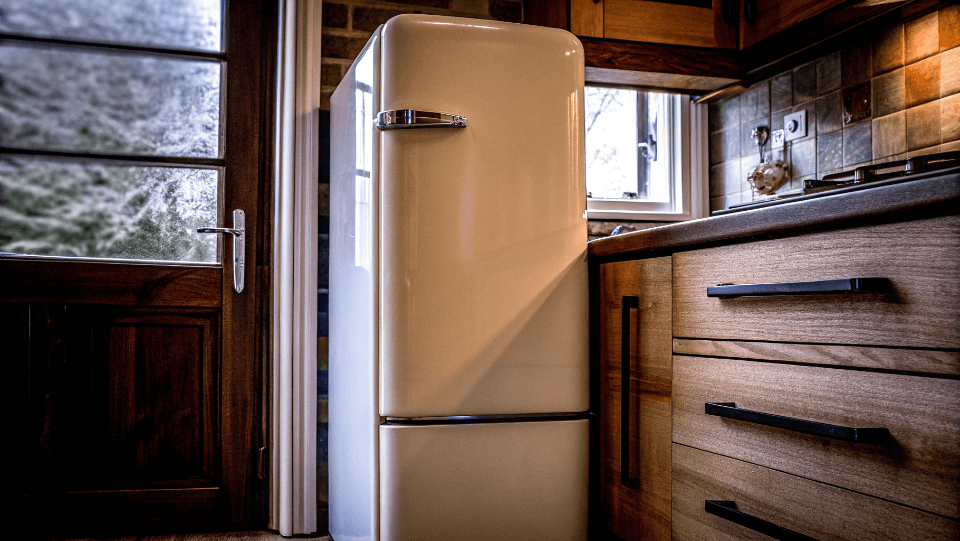
Worried that a cool retro fridge means a hot electricity bill? This fear can stop you from buying a stylish appliance. But understanding their real energy use changes everything.
Yes, modern retro refrigerators are energy-efficient. They are designed with vintage aesthetics but contain current, energy-saving technology like modern compressors and insulation. They meet today's strict energy standards, making them far more efficient than the original vintage models they imitate.
Many people see the 1950s design and assume it comes with 1950s technology. It's a common mistake. I remember when I first started my own refrigerator factory, my clients like Alex would always ask about power consumption. They loved the look but were worried their customers would complain about high bills. The truth is, the beauty of today’s retro fridges is only skin-deep. Inside, they are completely modern machines. We'll explore this and look at what really uses the most energy in your home. You'll see that a stylish fridge is not the enemy of your wallet.
How do the Amish keep their food cold without electricity?
Imagine life without a refrigerator. Food spoilage would be a constant struggle. The Amish have clever, non-electric methods that offer fascinating insights into the basic principles of refrigeration.
The Amish use methods like root cellars, which use the earth’s natural coolness, and ice houses stocked with ice from winter. Some also use gas-absorption refrigerators, which run on natural gas or propane to create cold without needing electricity.

When I was learning about refrigeration technology, I was fascinated by these old methods. They get back to the core challenge: how do you move heat away from your food? The Amish have mastered this without plugging into a wall socket. These techniques show that the principles of cooling have been around for a long time.
Understanding Non-Electric Cooling
These methods are all about using natural processes or simple "heat-mover" machines. A root cellar uses the ground as a giant heat sink, keeping the temperature stable and cool year-round. An ice house is simpler; it’s a super-insulated shed designed to keep winter ice frozen for months. A gas fridge is the most technical. It uses a small flame to heat a chemical mixture, causing a reaction that absorbs heat and makes the inside of the fridge cold. It proves you don't need a compressor, just a way to start a thermal cycle.
| Method | How It Works | Best For |
|---|---|---|
| Root Cellar | Uses stable underground temperatures (around 50-55°F / 10-12°C). | Root vegetables, apples, canned goods. |
| Ice House | Highly insulated shed stores large blocks of ice cut from winter. | Keeping items frozen or very cold. |
| Gas Fridge | Uses a heat source (propane) to power a chemical cooling cycle. | Off-grid living, like a modern fridge. |
What appliance is the biggest energy waster?
Is a mysterious energy vampire draining your bank account through high electricity bills? Without knowing the real culprit, you're just throwing away money on wasted power every month.
Typically, the biggest energy consumers in a home are the central air conditioning and heating systems (HVAC). After that, electric water heaters, clothes dryers, and old, inefficient refrigerators or freezers are the next largest users of electricity.
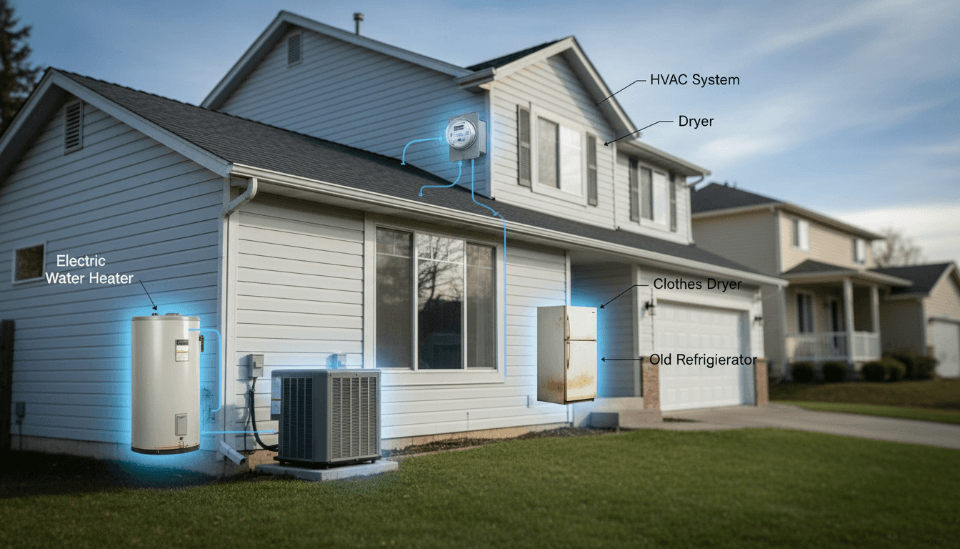
In my years in the kitchen appliance industry, this is one of the biggest misconceptions I see. People worry so much about their new fridge, but they ignore the real giants. A brand new retro fridge, even a large one, uses a fraction of the power your air conditioner does on a hot day. The key is knowing where to look. Let's put these appliances in perspective. It will help you, and business owners like you, explain to customers where their money is really going.
Identifying Your Home's Top Energy Users
The numbers don't lie. Your HVAC system works hard to change the temperature of your entire home, which takes a huge amount of energy. Appliances that generate heat, like a water heater or a clothes dryer, are also major power hogs. An old fridge from 15 or 20 years ago can also use two or three times more electricity than a new one. When we design new models at my factory, we're always pushing to lower the energy use. A 2024 model retro fridge is simply not in the same league as these other big energy users.
| Appliance | Typical Yearly Energy Cost (Approx.) | Why It's High/Low |
|---|---|---|
| Central HVAC | $600 - $1,500+ | Heats or cools the entire volume of your home. |
| Water Heater | $400 - $600 | Constantly heating a large tank of water. |
| Clothes Dryer | $100 - $200 | Uses intense heat to evaporate water. |
| Old Refrigerator (pre-2000) | $150 - $250+ | Inefficient compressor, poor insulation. |
| New Retro Refrigerator | $40 - $70 | Modern technology, meets strict standards. |
What style refrigerator is most energy efficient?
You want a new fridge that saves money, but all the different styles are confusing. Choosing the wrong design could mean losing more cold air and energy every time you open the door.
Generally, refrigerators with the freezer on top are the most energy-efficient style. The compressor is located far from the coldest section, so it runs more efficiently. Side-by-side and some French door models can use more energy.
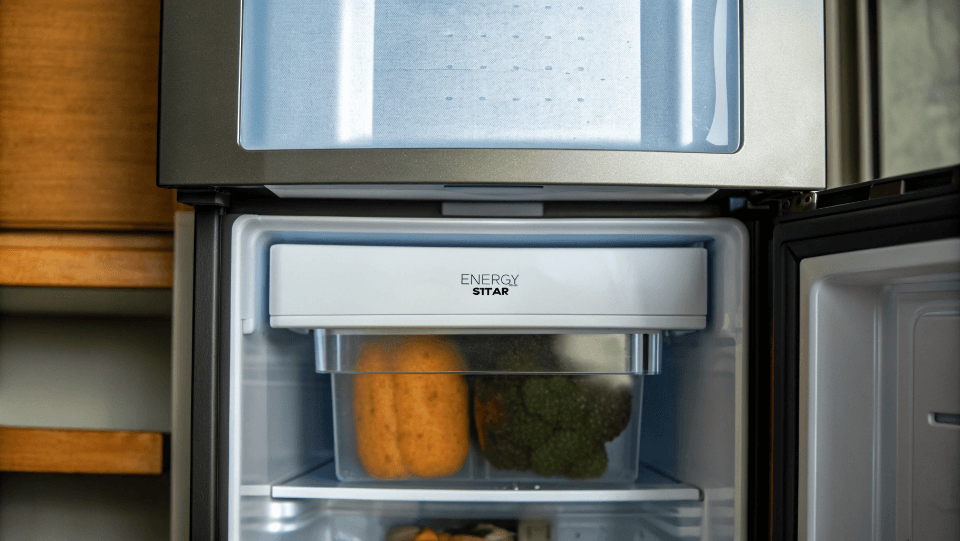
Understanding the design is key. This is something we focus on heavily in the manufacturing process. The placement of the freezer compartment and the compressor unit has a massive impact on how hard the machine has to work. Many retro refrigerators use a top-freezer or a single-door design, which are both inherently efficient layouts. While French doors are popular, their complexity can sometimes work against them from a pure efficiency standpoint.
How Refrigerator Design Impacts Energy Use
It comes down to simple physics. A top-freezer model works well because the compressor (the part that gets warm) is at the bottom, far away from the freezer. Also, since heat rises, it makes sense to have the coldest part (the freezer) separate from the heat-generating mechanics. Bottom-freezer models are also very good and offer ergonomic benefits. Side-by-side models often have a harder time because of the large, vertical freezer space, which is more difficult to keep cool evenly. French door models are a mixed bag; opening one small door saves energy, but the extra seals and often through-the-door ice makers can increase overall consumption.
| Refrigerator Style | Pros | Cons | Energy Efficiency |
|---|---|---|---|
| Top-Freezer | Most affordable, simple design. | Have to bend down for refrigerated items. | Highest |
| Bottom-Freezer | Fridge items at eye level. | Can be more expensive than top-freezer. | High |
| French Door | Wide shelves, open only one side. | More complex, through-door features use energy. | Moderate to High |
| Side-by-Side | Narrow door swing, good for small spaces. | Narrow shelves, less efficient use of space. | Moderate |
Conclusion
Modern retro fridges are energy-efficient, combining vintage looks with new technology. Your home's biggest energy users are likely your HVAC system and water heater, not your trendy new refrigerator.