
Your refrigerator door opens, and your electricity bill climbs. The fan keeps pushing expensive cold air out, making the compressor work harder. How can we stop this invisible energy waste?
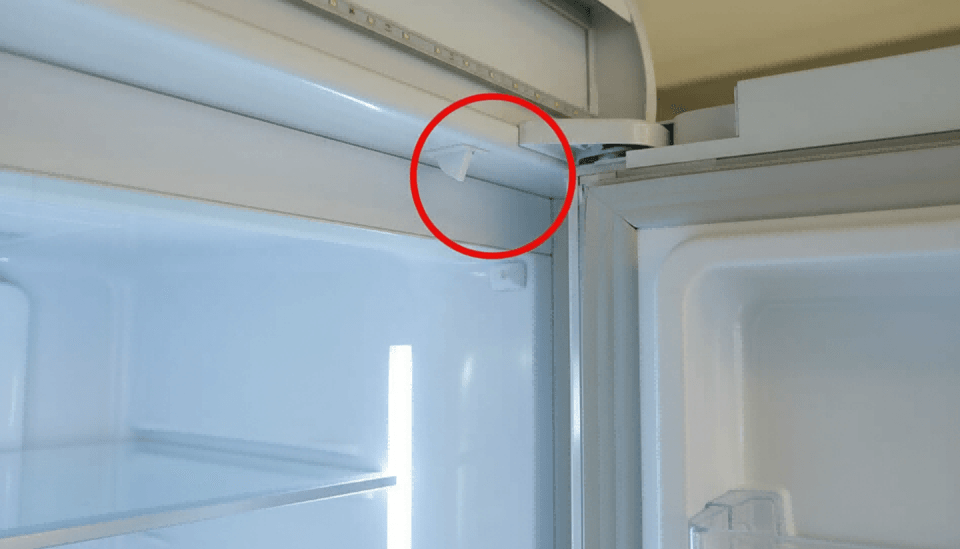
“Door opens, fan stops” technology uses a sensor on the door frame. When you open the door, this sensor tells the refrigerator's control board to instantly cut power to the evaporator fan. This simple action stops cold air from being blown out, saving energy and maintaining temperature.
I’ve spent my life in the kitchen appliance industry, from working on a factory floor to running my own refrigerator factory. I’ve seen technologies come and go. But this one is a small feature that makes a massive difference. For brand owners like you, understanding exactly how it works is key to explaining its value to your customers. It’s not just a gimmick; it’s smart engineering that saves money and keeps food fresher. Let's break down this clever little feature so you can see why it’s a must-have in modern refrigerators.
What Are the Key Components That Make This Technology Possible?
Struggling to explain technical features to your customers? Complex parts can sound confusing, making it hard to show the real benefits of your products. But understanding them is actually quite simple.
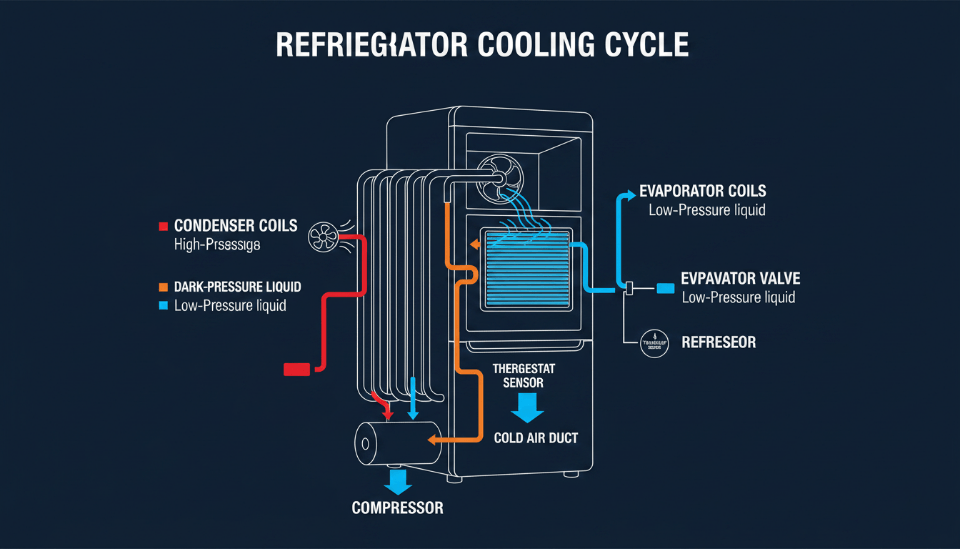
The three key components are the door switch, the evaporator fan, and the main control board. The switch is the trigger. It senses the door's position and signals the control board. The board then tells the fan motor to stop, preventing cold air loss.
In my years of manufacturing, I learned that a product is only as good as its parts. This technology is beautifully simple because it relies on just a few reliable components working together. Let’s look at each one more closely.
The Trigger: The Door Switch
This is the most direct part of the system. It’s usually located along the frame of the refrigerator cabinet. When the door closes, it presses a button or moves a magnet.
- Mechanical Switch: A small, spring-loaded button. When the door pushes it in, the circuit is complete, and the fan knows the door is closed. It’s simple and cheap, but moving parts can wear out over time.
- Magnetic Reed Switch: This has two parts: a magnet in the door and a sensor in the frame. When the door closes, the magnet activates the sensor without any physical touching. It’s more durable because there are no external moving parts to break. In my factory, we preferred magnetic switches for premium models because they reduce future service calls.
The Worker: The Evaporator Fan Motor
This fan is located behind a panel in the freezer or refrigerator compartment. Its job is to circulate cold air from the cooling coils (the evaporator) throughout the cabinet. This process, called forced convection, is what keeps your food evenly chilled. The “door opens, fan stops” feature directly controls this motor.
The Brain: The Control Board (PCB)
The Printed Circuit Board (PCB) is the smart center of the refrigerator. It takes the signal from the door switch and makes the decision. When the switch signals "door open," the control board immediately cuts the electrical current to the evaporator fan motor. When the door closes, the board restores power, and the fan starts circulating cold air again. It’s a simple "if-then" command that has a huge impact on efficiency.
| Component | Type | Function | My Advice for Brand Owners |
|---|---|---|---|
| Door Switch | Mechanical or Magnetic | Detects if the door is open or closed. | Choose magnetic for better durability and fewer customer complaints. |
| Evaporator Fan | Motorized Fan Blade | Circulates cold air inside the fridge. | This is a standard part, but its control is what matters. |
| Control Board | PCB / "The Brain" | Processes the switch's signal to stop/start the fan. | Ensure your supplier uses a well-programmed board for reliability. |
How Does This Feature Actually Save Energy and Improve Performance?
Are high energy consumption ratings hurting your sales? Customers are getting smarter about running costs, and an inefficient appliance can be a deal-breaker. There's a simple feature that helps solve this.
It saves energy by stopping the fan from pushing cold, heavy air out of the fridge when the door is open. This reduces how hard the compressor must work to cool the interior again. This leads to lower electricity bills and a more stable temperature for better food preservation.
When I talk to clients, I always tell them to focus on benefits, not just features. This feature has three clear benefits that your customers will immediately understand. It’s not just about a fan stopping; it’s about tangible savings and better performance in their kitchen.
1. Direct Energy Savings
Think about it like this: running a refrigerator fan with the door open is like running your air conditioner with the windows wide open. You are actively pushing the cold air you just paid to create right out into the room. Cold air is dense and heavy, so it naturally wants to spill out. The fan accelerates this process dramatically. By stopping the fan instantly, the refrigerator traps more of that cold air inside, even while the door is open. This simple pause in the fan's operation directly translates into less wasted energy on every single door opening.
2. Reduced Compressor Workload and Longer Lifespan
The compressor is the heart of the refrigerator and its biggest energy consumer. Its only job is to run when the internal temperature gets too high. When cold air is forced out by the fan, the internal temperature rises quickly. The compressor then has to kick on and run for a long time to replace that lost cold. By stopping the fan, less cold air escapes. This means the temperature inside stays more stable, and the compressor doesn't have to work nearly as hard or as often. Over the life of the fridge, this means significant energy savings and less wear and tear on the most important component, extending its lifespan.
3. Better Food Preservation
Food stays fresh longest at a consistent, cold temperature. Every time the door opens and warm air rushes in, the temperature fluctuates. This can affect the quality and safety of sensitive foods like milk, meat, and fresh produce. Because the "door opens, fan stops" feature minimizes the loss of cold air, it helps reduce the severity of these temperature swings. Food stays closer to its ideal temperature, which means it stays fresher for longer. This is a powerful benefit for any family.
Are There Any Downsides or Trade-offs to This Technology?
Worried about potential product failures? Every feature has its pros and cons, and a seemingly simple one could have hidden issues that might lead to customer complaints down the road. Let's look closer.
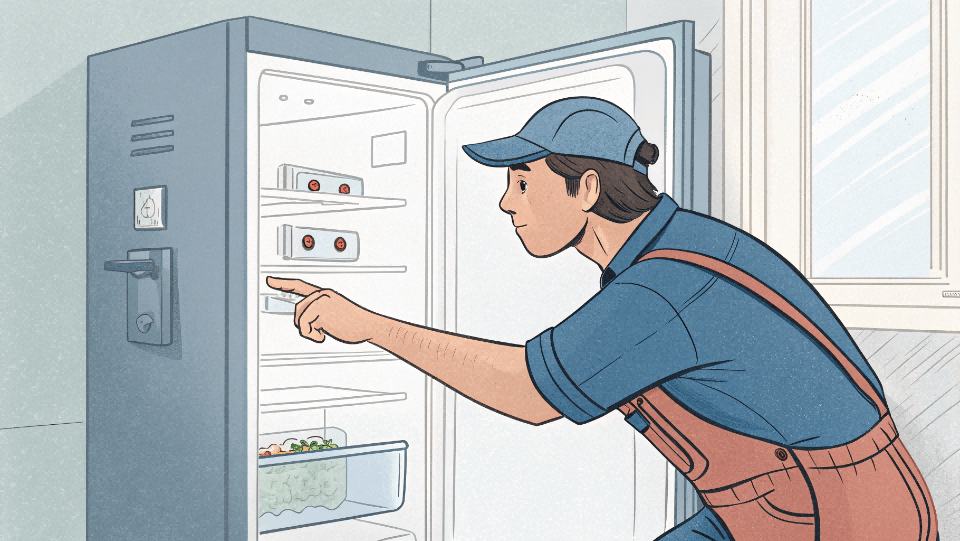
The main downside is the potential failure of the door switch. If the switch gets stuck in the "door open" position, the fan will never turn on, causing poor cooling. If it fails in the "closed" position, the feature is disabled, and the energy-saving benefits are lost.
From a manufacturer's viewpoint, every component added is another potential point of failure. While this technology is overwhelmingly positive, it’s important for a brand owner like you to understand the potential issues so you can discuss them with your OEM supplier. Honesty about a product’s design is crucial for long-term success.
The Single Point of Failure: The Switch
The entire system hinges on the door switch working correctly. As I mentioned, these switches can be mechanical or magnetic. Mechanical push-button switches are more prone to failure over time. They can get stuck, the spring can weaken, or the plastic can break after thousands of open-and-close cycles. A faulty switch that thinks the door is always open is a big problem; the fan will never run, and your customers will complain that their fridge isn't cooling. When I was ordering parts for my factory, I always specified higher-cycle switches, even if they cost a few cents more. It saved me huge headaches with warranty claims later. For you, it's vital to ensure your supplier isn't cutting corners on this small but critical part.
Cost vs. Benefit
For a manufacturer, adding this feature isn’t free. It requires the switch itself, additional wiring, and logic programmed into the control board. While the cost per unit is very low—often less than a dollar—some factories trying to produce the absolute cheapest model might skip it. However, the benefits in marketing, energy efficiency ratings, and user experience far outweigh this minimal cost. For a brand like yours that focuses on quality retro designs, this is not a feature to skip. It reinforces a message of quality and modern performance hidden within a classic look. Customers are willing to pay for smart features that save them money.
Conclusion
This technology is a simple, smart solution. It uses a door switch to stop the fan, saving energy, extending the fridge's life, and keeping food fresh. It’s a key feature of modern, efficient appliances.