
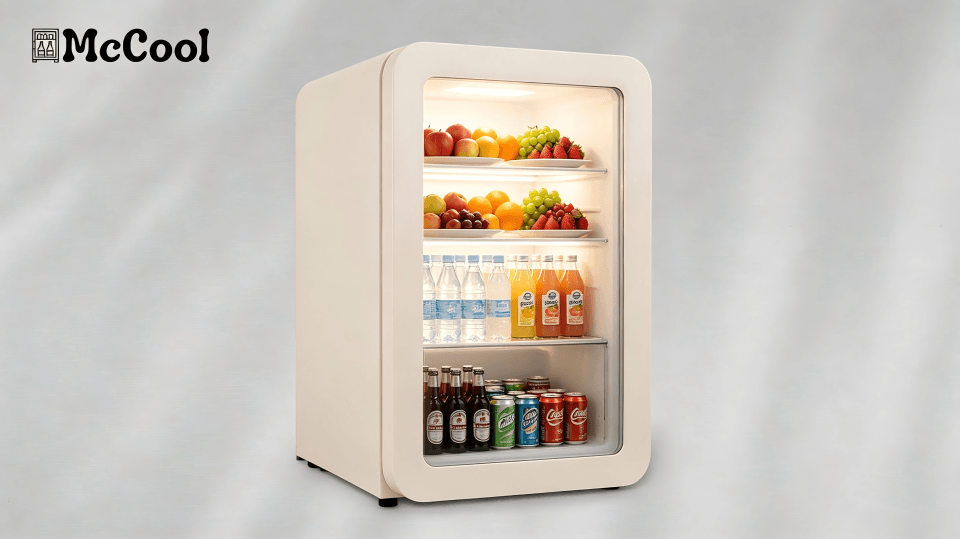
Are you worried that a stylish glass door fridge will cause your electricity bill to skyrocket? You like the look, but you're concerned about the cost. It's a common problem for people who want to upgrade their kitchen.
The answer is not a simple yes or no. A modern, well-sealed glass door refrigerator can be just as energy-efficient as a solid door one. The key difference lies in the technology of the glass itself, which varies between basic and advanced models and will affect your electricity consumption.
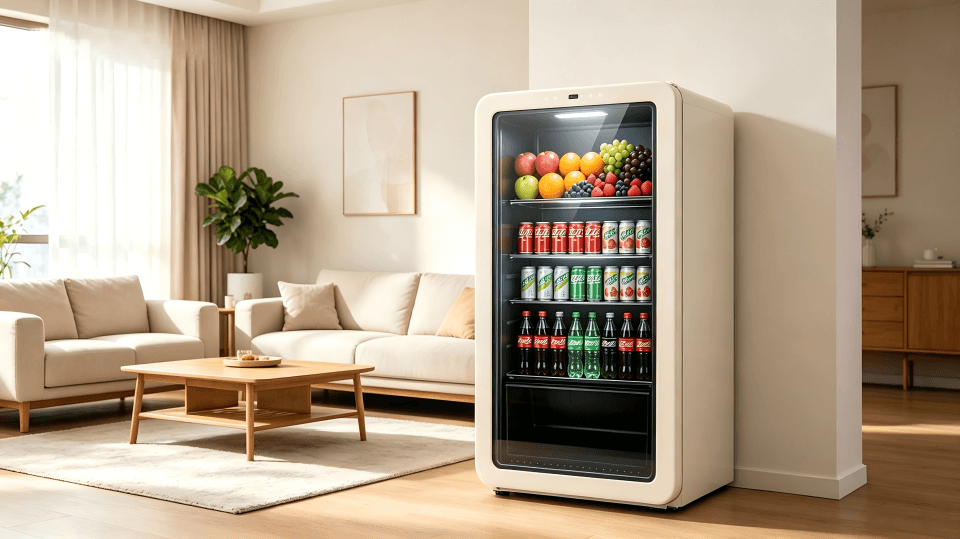
Thinking about buying a new refrigerator can be overwhelming. There are so many options, and it's a big investment. You want to make the right choice for your home and your wallet. I remember when I was starting my own business, every dollar counted. I spent weeks researching kitchen equipment, trying to find the perfect balance between quality and cost. It’s this experience that I want to share with you, to help you make an informed decision without the stress. So, let's break it down together and find the best fit for your needs.
What are the disadvantages of glass door refrigerators?
The biggest worry for most people is the potential for higher electricity bills. You see a beautiful glass door refrigerator and imagine it looking perfect in your kitchen, but then the practical side kicks in. Will it be expensive to run? Will it be hard to maintain?
While glass door refrigerators look great, they do have some downsides. The initial cost is often higher than solid door models. They also require more frequent cleaning to keep the glass free of fingerprints and smudges. And, if you're a private person, you might not like having the contents of your fridge on display for everyone to see.
When I was helping my client, Alex, set up his new product line of retro refrigerators, we had a long discussion about this. He loved the aesthetic of glass doors, but he was worried about the perception of higher energy consumption. His customers in Lebanon are very conscious of their electricity usage, so this was a major concern. We had to dive deep into the specifications to find models that were both stylish and efficient. It's not just about the look; it's about finding a product that fits your lifestyle and your budget.
I explained to Alex that the energy efficiency of a glass door refrigerator depends heavily on its construction. Basic models with single or double-pane plain glass can allow heat and UV rays to pass through, making the compressor work harder and increasing electricity costs. However, more advanced models have features to combat this.
| Feature | Description | Impact on Energy Consumption |
|---|---|---|
| Low-E (Low-Emissivity) Film | A thin, transparent coating on the glass that reflects heat. | Reduces heat transfer, improving insulation and lowering energy use. |
| Multiple Panes of Glass | Double or triple-pane glass with gas fills (like argon) in between. | Creates extra layers of insulation to reduce heat exchange. |
| Heated Glass | A feature that uses a small amount of electricity to keep the glass clear of condensation. | This will slightly increase electricity usage, but the feature can usually be turned on and off as needed. |
For smaller, compact refrigerators under 150L, the difference in energy consumption between glass and solid doors is often negligible. So, if you're looking for a smaller fridge, you may not need to worry as much about this issue.
Which type of refrigerator uses the least electricity?
Everyone wants to save money on their electricity bill. A refrigerator is one of the few appliances in your home that runs 24/7, so choosing an energy-efficient model can make a big difference. But with so many types and models on the market, how do you know which one is the most economical?
Generally, refrigerators with the freezer on top use the least amount of energy compared to bottom-freezer or side-by-side models. Also, models with fewer doors tend to be more efficient as they have less potential for air leakage. Choosing an ENERGY STAR certified model is also a great way to ensure you're getting an energy-efficient appliance.
I always tell my clients, like Alex, to think about their daily habits. How often do you open the fridge? What do you typically store in it? The answers to these questions can help you choose a refrigerator that is not only energy-efficient but also practical for your needs. Alex, for instance, realized that his family often just grabbed drinks and snacks from the fridge. So, a model with a door-in-door feature, which allows you to access frequently used items without opening the entire refrigerator, was a great option for him. This simple feature can significantly reduce energy consumption by minimizing the loss of cold air.
Here are some other factors that can influence a refrigerator's energy consumption:
- Size: As a general rule, larger refrigerators use more energy. It’s important to choose a size that fits your household's needs to avoid wasting energy.
- Inverter Compressors: Refrigerators with inverter compressors are more energy-efficient because they adjust their speed based on the cooling demand, reducing wear and tear and saving electricity.
- Maintenance: A well-maintained refrigerator is a more efficient refrigerator. Make sure the door seals are airtight, and clean the condenser coils regularly.
Ultimately, the most energy-efficient refrigerator is one that is the right size for your needs, has a high energy-efficiency rating, and is used and maintained properly.
What are the benefits of a glass door fridge?
You're drawn to the sleek, modern look of a glass door refrigerator. You can imagine it as the centerpiece of your kitchen, showcasing your fresh produce and favorite beverages. But are there any practical benefits beyond its good looks?
The most obvious benefit of a glass door refrigerator is its aesthetic appeal. It can make your kitchen look more stylish and organized. But there are also some practical advantages. The clear view allows you to see what's inside without opening the door, which can help you stay organized and reduce food waste. In a commercial setting, this can even lead to increased sales by enticing customers with a visual display of your products.
I remember when I first installed a glass door refrigerator in my own home. I was a bit skeptical at first, but I quickly came to appreciate its convenience. I could see at a glance what I needed to buy at the grocery store, and it encouraged me to keep my fridge tidy and organized. It even helped my kids make healthier choices because they could see the fresh fruits and vegetables right there in front of them. It's a small thing, but it made a big difference in our daily lives.
Here's a quick rundown of the key benefits:
| Benefit | Description |
|---|---|
| Aesthetic Appeal | Adds a touch of modern sophistication to any kitchen. |
| Enhanced Organization | The clear view helps you keep track of your groceries and reduce food waste. |
| Energy Savings | By seeing what you need before opening the door, you minimize the loss of cold air and reduce energy consumption. |
| Increased Sales (Commercial) | In a commercial setting, an attractive display can encourage impulse purchases. |
Of course, a glass door refrigerator isn't for everyone. But if you value style, organization, and convenience, it can be a great addition to your home. Just be sure to choose a model with the right features to ensure it's as energy-efficient as it is beautiful.
Which fridge consumes more electricity?
You're standing in the appliance store, surrounded by a sea of refrigerators. They all look so similar, yet their energy consumption ratings can vary wildly. You want to make a smart choice, one that will be kind to both the environment and your bank account.
The amount of electricity a refrigerator consumes depends on several factors. Generally, larger refrigerators, older models, and those with poor insulation will use more electricity. The type of refrigerator also plays a role, with side-by-side models typically consuming more energy than top-freezer models.
When I was helping Alex source refrigerators for his company, we created a checklist to evaluate the energy efficiency of each model. It was a simple tool, but it helped him make informed decisions and choose products that his customers would love. It’s this kind of practical knowledge I want to share with you. Buying a major appliance shouldn't be a guessing game.
Here's a breakdown of the factors that contribute to higher electricity consumption in a refrigerator:
| Factor | Explanation |
|---|---|
| Age | Refrigerators over 15 years old can be significantly less energy-efficient than new models. |
| Size | Larger refrigerators have more space to cool, which requires more energy. |
| Type | Side-by-side and bottom-freezer models tend to be less energy-efficient than top-freezer models. |
| Features | Features like ice makers and water dispensers can increase energy consumption. |
| Usage Habits | Opening the door frequently, putting hot food inside, and overfilling the refrigerator can all make it work harder and use more energy. |
Ultimately, choosing a refrigerator is a personal decision. But by understanding the factors that affect energy consumption, you can make a choice that is both stylish and sustainable.
Conclusion
In the end, the choice between a glass door and a solid door refrigerator comes down to your personal preferences and priorities. A well-made glass door fridge can be just as efficient as a solid door one, so don't let the fear of high electricity bills hold you back from getting the look you want.