
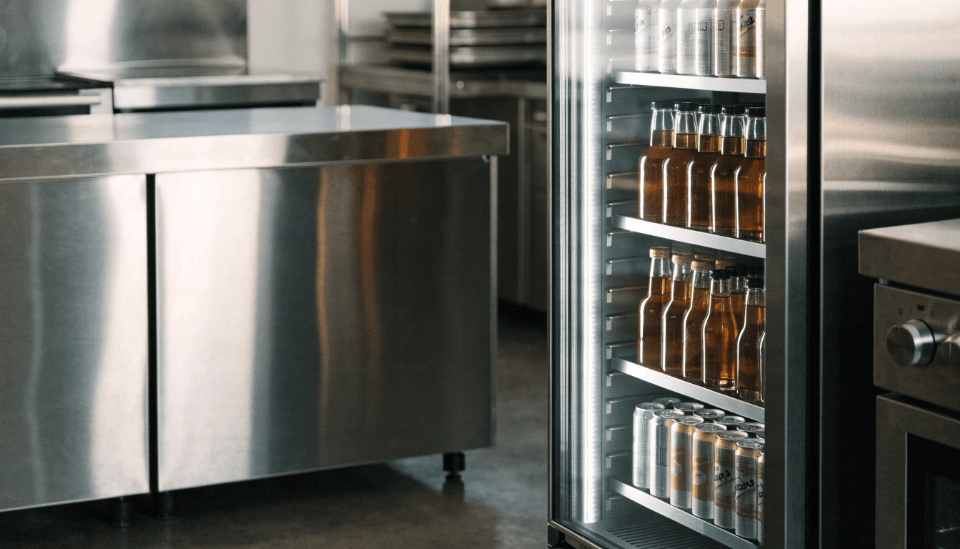
Your business is growing, but your equipment isn't keeping up. A bad commercial fridge can mean spoiled inventory and wasted money. I am here to help you avoid these costly errors.
The most common mistakes are choosing the wrong size, ignoring long-term energy costs, and selecting a unit not suited for your specific products. Getting these details right from the start is key to protecting your investment and ensuring your business runs smoothly, just like I helped my clients do.
Choosing a commercial fridge is a big step. I've been in this industry for a long time, starting on the factory floor and eventually building my own refrigerator factory. I've seen business owners make the same few mistakes over and over. I want to share my experience so you can make a smart choice. Let's look at these mistakes one by one, so you can avoid them and find the perfect fridge for your business.
Are you overlooking the importance of size and space?
Many business owners get excited about features and forget the basics. They order a fridge only to find it doesn't fit through the door. This mistake is more common than you think.
The first step is always to measure your space carefully. Don't just measure the floor area. Measure the height of the doorways, hallways, and the final location. A perfect fridge that you can't get inside is useless. This simple check saves a lot of headaches later on.

After helping many clients, I've learned that space is about more than just fitting the unit in. You also need to think about how it will function in that space. A commercial fridge is a powerful machine, and it generates heat. It needs room to breathe. If you squeeze it into a tight corner without proper ventilation, the compressor will have to work much harder. This leads to higher energy bills and can shorten the lifespan of the fridge. I always tell my clients to leave at least a few inches of space around the top, back, and sides for air to circulate.
You also have to consider the internal capacity. Don't just buy the biggest one you can afford. Think about your real needs.
| Aspect | Why It's Important | My Advice |
|---|---|---|
| External Dimensions | It must fit through your doors and in the designated spot. | Measure height, width, and depth of all entryways and the final location before you even start looking. |
| Ventilation Space | The fridge needs to release heat to run efficiently. | Plan for at least 2-3 inches of clearance around the unit, especially at the back and top. |
| Internal Capacity | Too big is a waste of energy; too small means lost sales. | Analyze your daily and weekly stock needs. Choose a size that meets your peak demand without being half-empty most of the time. |
Thinking about these three things—external size, ventilation, and internal capacity—will ensure you get a fridge that not only fits but also works efficiently for years.
Could ignoring energy efficiency be costing you more?
It's easy to look at the initial price tag and choose the cheapest option. But a low upfront cost can trick you. A fridge that isn't energy-efficient will lead to high electricity bills every month.
A commercial refrigerator runs 24/7, so its energy consumption is a major operating expense. Choosing an energy-efficient model might cost a bit more at first, but it saves you a significant amount of money over the life of the appliance. Think of it as an investment in lower bills.
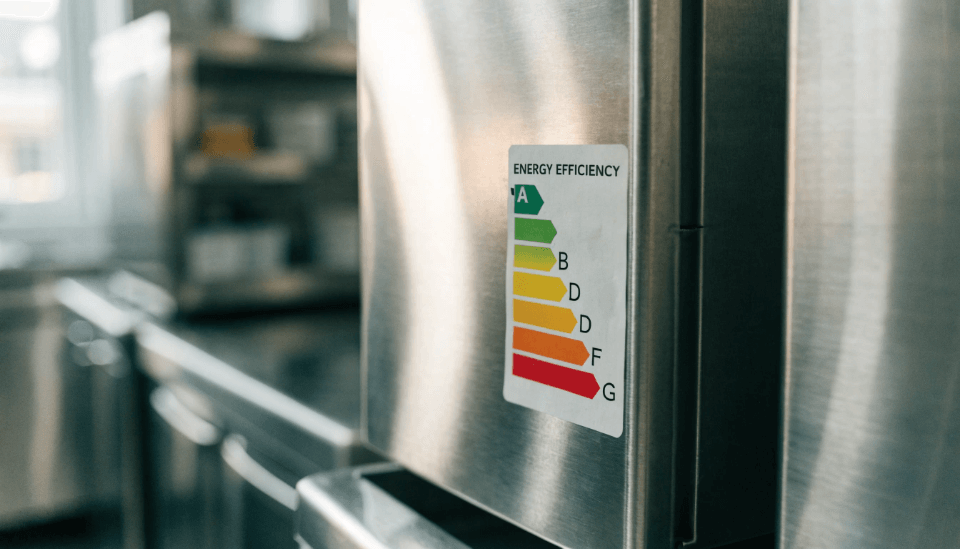
When I was helping my client expand his line of innovative refrigerators, this was a key point we focused on. His customers are savvy online shoppers. They don't just care about looks; they care about running costs too. We made sure to highlight the energy efficiency of his models. An energy-efficient fridge has better components. This includes things like modern compressors, better insulation, and LED lighting. These parts don't just save energy. They also often last longer and perform better. For example, good insulation means the fridge doesn't have to work as hard to stay cool, which reduces wear and tear on the cooling system. This was a strong selling point for his brand.
Here’s a simple breakdown:
| Feature | Less Efficient Model | More Efficient Model | Long-Term Impact |
|---|---|---|---|
| Compressor | Older, standard technology | Modern, variable-speed compressor | Lower energy use, less noise |
| Insulation | Thinner, basic foam | Thicker, high-density polyurethane | Better temperature stability, less work for the compressor |
| Lighting | Fluorescent bulbs | LED bulbs | Less heat produced, lower electricity use, longer bulb life |
So, when you look at a fridge, don't just ask for the price. Ask for the energy consumption data. It will tell you the real cost of owning that fridge.
Are you sure you're picking the right type of commercial fridge?
You see a good deal on a glass-door merchandiser and think it's perfect. But you plan to store fresh meat in it. This is a recipe for disaster. Different fridges are built for different purposes.
Using the wrong type of fridge can lead to spoiled products and health code violations. A glass-door fridge is great for drinks but terrible for raw ingredients that need stable, cold temperatures. The glass provides poor insulation compared to a solid door, causing temperature fluctuations.
I guide my clients through a simple thought process to avoid this. First, what are you selling? The answer changes everything. A cafe selling cakes and sandwiches needs a display refrigerator that keeps products cool while showing them off to customers. But a restaurant kitchen needs a solid-door reach-in or a walk-in cooler for storing bulk ingredients safely away from light and temperature changes. For instance, sells retro refrigerators for home use. His target market is different. But the principle is the same: the product dictates the type of fridge.
Let's break down some common types and their best uses. This will help you match your needs to the right equipment.
| Fridge Type | Best For | Why? |
|---|---|---|
| Reach-In Refrigerator | Storing bulk ingredients in a kitchen. | Solid doors provide excellent insulation, keeping temperatures stable and food safe. |
| Glass-Door Merchandiser | Displaying bottled drinks, pre-packaged snacks, and grab-and-go items. | Allows customers to see products, encouraging impulse buys. Not ideal for sensitive items. |
| Prep Table Refrigerator | Sandwich shops, pizzerias, and salad bars. | Combines a refrigerated base for ingredients with a workspace on top. |
| Bar Refrigerator | Storing bottles, cans, and glasses behind a bar. | Designed to be compact and efficient for quick access during service. |
Thinking clearly about what you will store inside the fridge is the most important step. It ensures you buy a unit that helps your business, not hurts it.
Conclusion
Avoiding these common mistakes is simple. Measure your space, check the energy label, and match the fridge type to your products. Do this, and you'll make a smart investment for your business's future.