
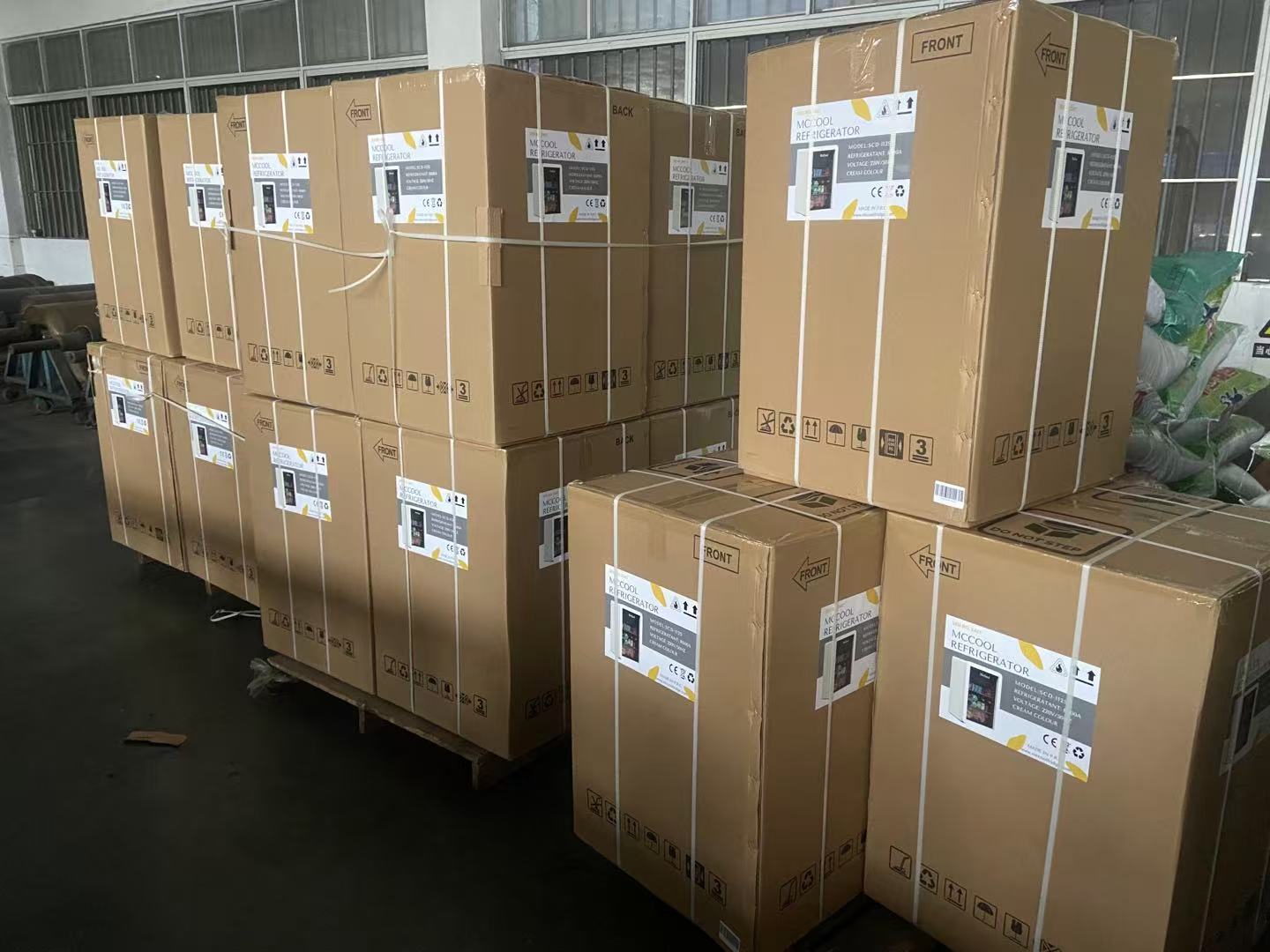
Are you tired of waiting months for your fridge orders? This delay ties up your capital and leads to lost sales. It's time to take control of your supply chain and get your products faster.
The best way to shorten your wait is to understand the entire process. From the 45-day manufacturing time to the 45-day shipping period, knowing each step helps you find opportunities to save time. Proactive communication and smart planning with your supplier are essential.
Waiting for products can be one of the most stressful parts of running a business. I remember when I first started, the long gap between paying for an order and receiving it felt like an eternity. My cash was tied up, and I couldn't respond to customer demand quickly. But over the years, I've learned that you don't have to be a passive observer in this process. Let's explore how you can actively shorten these lead times and make your supply chain more efficient.
What Exactly Is Lead Time, and Why Should You Care?
You constantly hear the term "lead time," but do you know how it truly affects your business's health? Misunderstanding this simple concept can lead to empty shelves and unhappy customers. Let's fix that.
Simply put, lead time is the total time it takes from when you place an order with your supplier to when you receive the products in your warehouse. For a fridge order from China, this includes production and shipping, which is why ordering three months in advance is the safest bet.

When I work with clients like Alex, one of the first things we break down is the total lead time. It’s not just one big block of time; it's a sequence of many smaller steps. If you don't understand the sequence, you can't identify the opportunities to speed things up. For my factory, the total process from order to delivery in Europe is typically 90 days. We can divide this into two main parts: production and shipping.
The production phase itself is a complex operation. Here’s a look at my factory’s typical 45-day production schedule:
| Stage Number | Process Step | Typical Duration | Notes |
|---|---|---|---|
| 1 | Order Confirmation & Deposit | 1-2 Days | The clock starts once the deposit is received. |
| 2 | Materials & Parts Procurement | 10-15 Days | Sourcing components like compressors and steel. |
| 3 | Sheet Metal & Forming | 5-7 Days | Cutting and shaping the main body. |
| 4 | Vacuum Forming (Interior) | 2-3 Days | Creating the inner liner of the fridge. |
| 5 | Condenser Pre-assembly | 2-3 Days | Preparing the cooling pipes. |
| 6 | Foaming | 1 Day | Injecting insulation into the cabinet. |
| 7 | Refrigeration System Assembly | 3-4 Days | Installing the compressor and cooling system. |
| 8 | Door Installation & Sealing | 1-2 Days | Attaching and aligning the doors. |
| 9 | Refrigerant Charging | 1 Day | Filling the system with refrigerant gas. |
| 10 | Quality Control Testing | 2 Days | A 48-hour continuous run test to check performance. |
| 11 | Cleaning & Packaging | 1 Day | Final cleaning, adding manuals, and packing. |
After these 45 days, the fridges are ready. Then comes the shipping, which can take another 45 days to get from China to a port in Europe, for example. So, from the day you pay your deposit to the day the truck arrives at your warehouse, you're looking at a minimum of three months.
What Unexpected Factors Can Delay Your Fridge Order?
You've planned everything perfectly based on the 90-day lead time. But suddenly, you get an email about a delay. Frustrating, right? Unforeseen issues can pop up and disrupt your whole schedule.
Your lead time can be affected by raw material shortages, factory holidays like Chinese New Year, sudden large orders creating a production backlog, or shipping port congestion. I've seen all of these happen, and they can add weeks or even months to your timeline if you're not prepared for them.

One of the biggest lessons I've learned is that a quoted lead time is an estimate, not a guarantee. There are always external factors that can cause delays. A few years ago, a major shipping lane got blocked, and it had a domino effect across the globe. My clients who had orders on the water were calling me every day, and there was little I could do. It taught me the importance of building potential delays into your planning.
Let's look at the most common factors that can extend your lead time:
Raw Material & Component Availability
Your fridge is made of many parts from different suppliers. A delay in just one component, like the compressor or even a specific type of screw, can halt the entire assembly line. This is especially true for specialized parts for a retro-style fridge. If the supplier of that unique chrome handle has a problem, your order is stuck.
Production Capacity
The factory can only make so many fridges a day. If a huge order from another company comes in right before yours, you might get pushed back in the queue. Also, major holidays are a big deal. The factory might shut down for a week for National Day, and for several weeks around Chinese New Year. Production stops completely during this time, so you have to plan your orders around these holidays.
Shipping and Logistics
This is often the most unpredictable part. Your containers could get "rolled" (bumped to a later ship because of overbooking), or there could be a strike at the port. Customs in your country, like in Lebanon, might decide to do a random inspection, which can hold up your container for days or weeks. I always advise my clients to work with an experienced freight forwarder who knows the local customs procedures inside and out.
How Can You Actively Reduce Your Fridge Order Lead Time?
Feeling powerless while you wait for your inventory is a terrible feeling. It's your money tied up in those containers, and your customers are waiting. The good news is you can shift from being a passive waiter to an active manager of your supply chain.
You can shorten lead times by working closely with your supplier to forecast orders, paying a deposit early to lock in materials, approving pre-production samples quickly, and choosing faster shipping routes when possible. A strong relationship with your factory is your biggest asset here.

I treat my best clients, like Alex, as partners. When they succeed, I succeed. The clients who have the smoothest experience are the ones who communicate openly and work with me to find efficiencies. Reducing lead time is a team effort. Let's break down the practical strategies you can use.
Strengthen Your Supplier Partnership
This is the most important step. Don't just be an email address to your supplier.
- Share Forecasts: Give your supplier a 6-month or 12-month forecast of your expected orders. Even if it's not perfect, it helps me plan my material purchasing and production schedule, which can shave off valuable days.
- Communicate Regularly: Schedule brief monthly calls. Ask what's happening at the factory. Are there any big holidays coming up? Are material prices fluctuating? This inside information is gold.
- Pay Your Deposit Promptly: The 45-day production clock starts when the deposit is paid and the order is confirmed. The sooner you do this, the sooner you enter the production queue.
Streamline the Pre-Production Process
Many delays happen before the first piece of metal is even cut.
- Clear Purchase Orders (POs): Your PO should be extremely detailed. Specify colors, branding, plug types, and packaging. Any ambiguity leads to back-and-forth emails, which wastes time.
- Quick Sample Approval: When you receive a pre-production sample, test it and provide feedback immediately. If it takes you two weeks to approve the sample, that's two weeks added to your lead time.
Optimize Production and Logistics
While production is mostly in the factory's hands, you still have influence.
- Standardize Components: If you sell several fridge models, try to use the same components (like compressors or thermostats) across them. This makes forecasting and material stocking easier for the factory.
- Discuss Shipping Options: The 45-day sea journey is the standard, cheapest option. But there might be faster, slightly more expensive sea routes. Or, for part of the journey, rail could be an option. Ask your freight forwarder to quote you different options so you can make an informed choice.
Conclusion
Understanding your lead time, identifying potential risks, and working proactively with your supplier are the keys to a shorter, more predictable supply chain. This gives you the power to grow your business effectively.